Ford Parts Scheme Raises Questions About Factory Inventory Controls
Electric Vehicles [email protected] (Andy Kalmowitz) 999 reads
Four men are accused of routing Ford factory parts to a Detroit repair shop and online sales; the full value may exceed the $80,000 cited in the case.
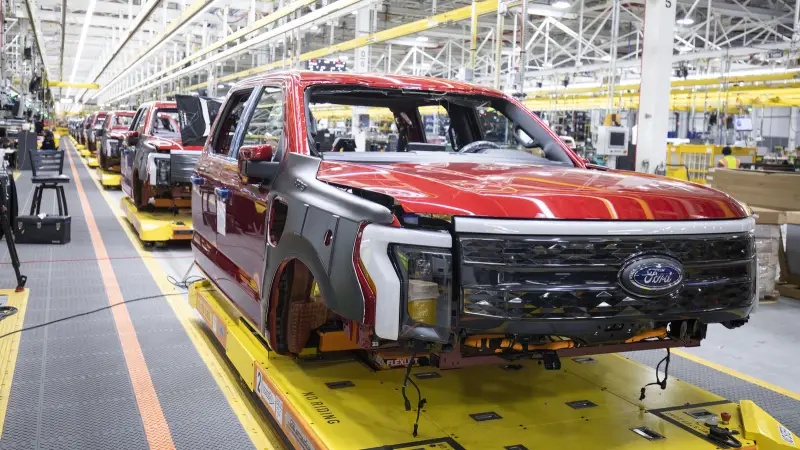
The reported flow of parts from Ford’s Rouge Complex to a Detroit repair shop points to a practical vulnerability for automakers: a small number of items can be difficult to track once they leave a busy production site. Four men are accused of taking Ford parts and selling them through Stratec Auto and eBay. The value listed in the case is more than $80,000, though the total may be far higher.
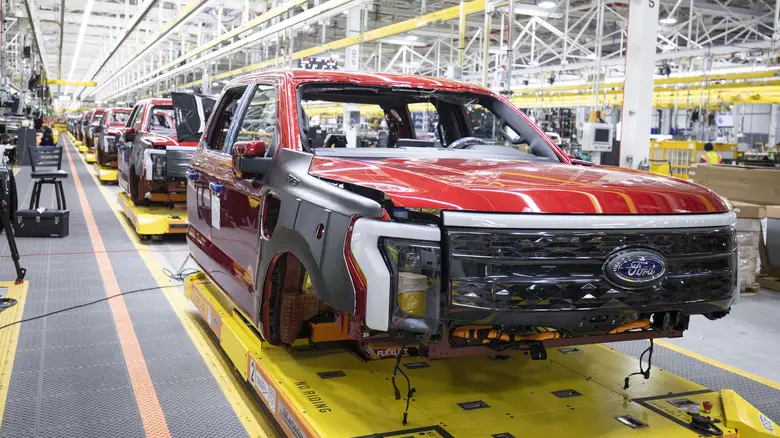
The alleged activity lasted six weeks in spring 2025. According to Wayne County Prosecutor Kym Worthy, 35-year-old Wissam Faraj worked at the Dearborn, Michigan, factory and supplied parts to 63-year-old Badr Kahil and his sons, Aiman, 25, and Firas, 36. The parts reportedly arrived at the shop on Saturday nights. Faraj was fired in 2025.
How the parts reportedly moved
The account describes a straightforward arrangement: one of the Kahils would request parts from Faraj, who allegedly removed them from Ford’s facility and delivered them to the shop. The business could then sell the goods through its repair operation or list them on eBay. Worthy called the alleged operation “lucrative, shameless and absolutely illegal.”
For a repair shop, access to a supply of new components can support both customer work and resale. For a manufacturer, however, parts that leave a facility outside the normal inventory process can create gaps between recorded stock and physical stock. Each missing item may be hard to trace by itself; repeated orders and deliveries can make the total much more significant.
The reported mix of shop sales and online listings also matters to the scale of the case. A repair business gives components a direct route to customers, while an online marketplace can expose them to buyers beyond the local area. The account does not specify which parts were sold through each channel or how many transactions were completed.

Why the stated value may change
The more than $80,000 figure reflects the value tied to the charges, but investigators may have difficulty accounting for every part. Worthy cited a text message from Faraj referring to an order for 128 sets of headlights valued at $22,400. That single order illustrates how quickly the value can add up when components are ordered in quantity.
FOX 2 Detroit reported that the total could reach into the “millions.” That remains a possibility rather than a final valuation: the available account says the parts are difficult to track down, and it does not provide a completed inventory of everything allegedly taken or sold. The difference between the amount listed in the case and a possible larger total is therefore a key unresolved detail.
For automakers, headlights and other replacement components carry value beyond their usefulness on an assembly line. They can be sold to repair businesses and vehicle owners, which makes clear inventory records important at the point where parts are stored, moved and handed off. The account does not describe Ford’s specific internal controls or identify a particular process that failed, so it would be premature to draw conclusions about how the alleged removals went undetected for several weeks.
Ford says it reviewed site security
Ford said its Global Security team began a review after receiving notice of suspected theft and unauthorized sales at two manufacturing facilities. The company said it assessed the incident, introduced measures intended to strengthen security at its sites and would continue working with local authorities. Ford declined to discuss individual personnel matters.
The review began after employees at the plant noticed that parts were missing. Ford then contacted Dearborn police, who arranged a controlled purchase as part of efforts to catch the men during a transaction. Investigators also examined thousands of text messages, emails, photographs, videos and online accounts, according to FOX 2 Detroit.
The case shows why internal reports of missing inventory can matter as much as automated tracking: employees who recognize unusual shortages may help trigger a closer review. Here, the reported pattern was not simply a discrepancy found in a warehouse count. It involved repeated deliveries, requests for specific parts and sales through more than one channel.
The next meaningful measure will be the final accounting of the parts and their value. Until that is established, the $80,000-plus figure provides a floor for the reported case, while the possible millions remain unconfirmed. For buyers and repair businesses, the case also underscores the importance of knowing where replacement components come from, particularly when a seller offers batches of new parts outside the usual supply route.