Tell Us About the Close Call You Still Remember Behind the Wheel
Electric Vehicles [email protected] (Lalita Chemello) 602 reads
A New York drive brought two near misses in minutes. What close call on the road has stayed with you, and why?
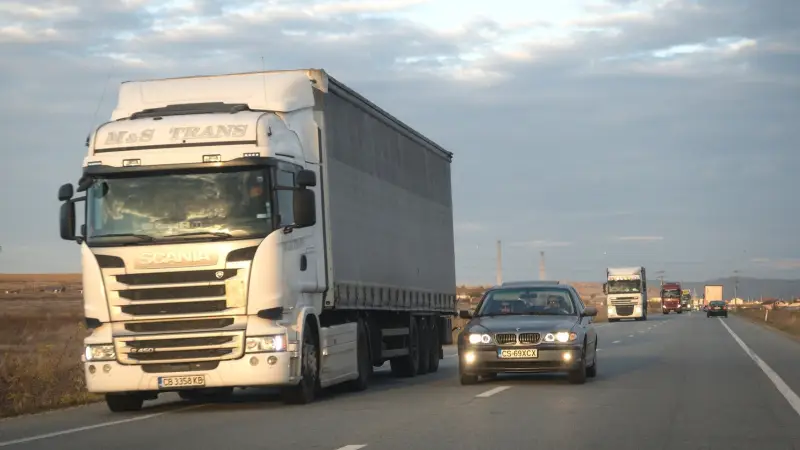
A close call can stay with a driver long after the traffic clears. In a few seconds, another vehicle’s mistake can turn an ordinary trip into a moment of hard braking, quick decisions and lingering questions about what might have happened. Some near misses involve a single sudden move; others come in a chain, with barely enough time to react between them.
Modern cars can warn drivers about hazards, but those alerts can’t control what another person does at an intersection or behind the wheel. Dash cameras have made many close calls easier to record and share, yet plenty happen without a camera running. The memorable ones tend to be the encounters where a small change in timing might have turned a scare into a collision.
We’re interested in the near misses that still come back to you: the moment another vehicle entered your path, a risky maneuver that left little room to respond, or a second close call arriving before you’d even processed the first. What happened, what did you do, and why has the experience stayed with you?
Two near misses on one New York drive
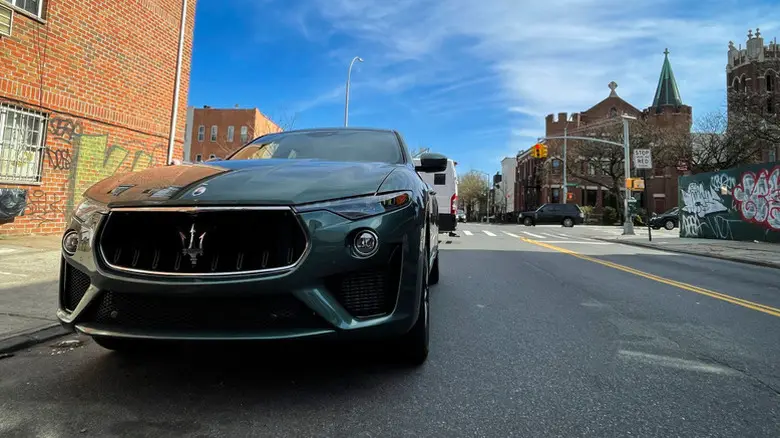
A drive back to Brooklyn in a 2021 Maserati Levante GTS turned unsettling in a matter of minutes. The trip had begun with a scenic run along the Belt Parkway to Amityville after a visit to the New York International Auto Show. On the return, traffic slowed in a residential area with a 35 mph speed limit. Then an Audi Q5 approached quickly from behind.
The driver slowed to give the Audi room to pass. The Q5 continued through a red light and struck a fairly new Subaru, then spun across the intersection. Two people climbed out of the damaged Audi and ran from the scene. The driver in the Maserati had just witnessed a serious collision, but stopping felt complicated: the area was unfamiliar, and the SUV was an expensive vehicle on loan.
That left a narrow choice between staying put and getting around the crash. The driver chose to continue past the scene. It could have been the end of the frightening part of the trip. Instead, another vehicle brought a second hazard almost immediately.
A Ford Taurus came up behind the Maserati, moved ahead and cut it off before turning into a parking lot. Someone got out and moved toward a person who had run from the earlier crash. But the Taurus had not been put in park. It began rolling toward the Maserati, leaving its driver scrambling to work out how to select reverse using the SUV’s unfamiliar shifter.
The person beside the Taurus saw it moving and caught it with about an inch to spare. That stopped the second near miss from becoming a collision. The driver in the Maserati was left shaken, then called her husband before making the trip back to Brooklyn.
Why some close calls stay with us
What makes this sequence linger isn’t just the first impact or the Taurus rolling toward the Maserati. It’s the compressed timing: one crash, a decision about whether to stop, then a second danger before there was much time to settle down. The unfamiliar vehicle added another practical complication. In an emergency, a driver may have to act quickly in a car whose controls don’t feel routine.
Those details are part of why close calls are difficult to rank. A near miss doesn’t have to end with damage to change how someone remembers a drive. Sometimes the lasting impression comes from how little space remained, how fast events unfolded, or how an ordinary trip suddenly demanded several decisions in succession.
Think back to the moment that still stands out. Was it a vehicle that ran a light, a sudden lane change, or a hazard that appeared when you were already focused on something else? What helped you avoid a collision, and what did you notice afterward that you might have missed in the moment?
Share your most unforgettable close call and what keeps it fresh in your memory. The details that matter are often simple: where you were, what the other vehicle did, and how close the outcome came to changing.