New Orleans Riverboat Sinks After Collision With Asphalt Tanker
Electric Vehicles [email protected] (Logan K. Carter) 999 reads
A collision at the Port of New Orleans sank a docked riverboat carrying about 129 people. Thirty-two were taken to hospitals with non-critical injuries.
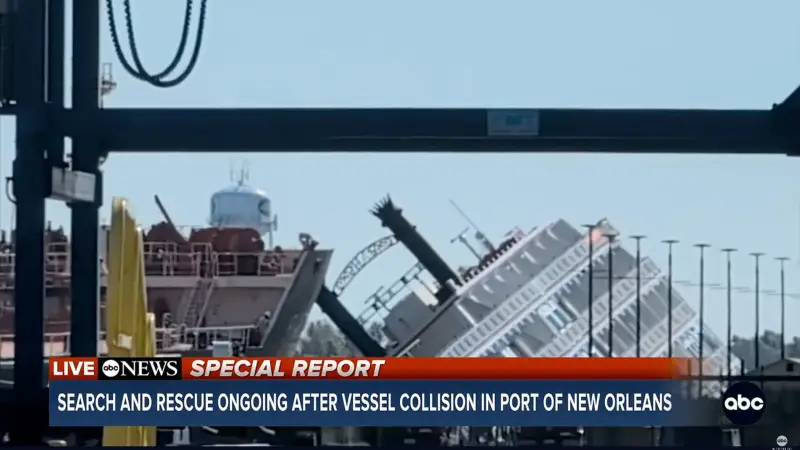
The collision between the Atlantic Asphalt tanker and American Cruise Lines’ American Heritage left the riverboat on its side at the dock and halted vessel traffic on a section of the Mississippi River. About 129 passengers and crew were aboard. City officials said everyone had been accounted for, with an estimated 32 people taken to nearby hospitals for non-critical injuries. The total number of people injured hadn’t been confirmed, so the hospital estimate shouldn’t be read as a final count.
The impact happened at about 12:30 p.m. ET on Friday, outside 1350 Port of New Orleans Place. The American Heritage had been docked for roughly two hours as passengers began disembarking when the tanker struck it. The riverboat took on water and capsized rapidly. It remains alongside the dock, resting on its side. The timing matters: a vessel in the middle of disembarkation has people moving between the ship and shore, which can complicate an evacuation and make a clear headcount more urgent.
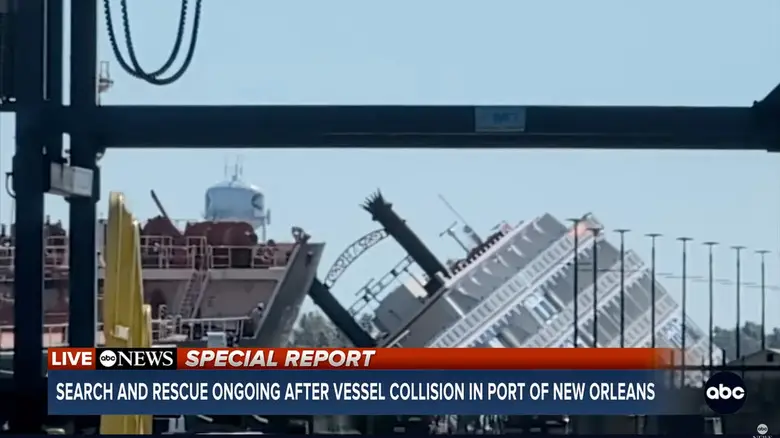
Rescue and response crews went to the scene, and rescued passengers were brought to the Port of New Orleans Administration Building for triage and assistance. The Coast Guard closed the river to vessel traffic between mile markers 93 and 96. That closure affects a busy stretch near the port, making the incident a navigation problem as well as a rescue and salvage operation. A river closure also changes the work environment for responders: access, vessel movements, and the handling of a damaged ship all have to be coordinated around the restricted area.
Passenger care and river conditions
The riverboat’s passenger profile added to concerns about the people aboard. Louisiana Lt. Gov. Billy Nungesser told ABC News he was worried because river cruises of this kind tend to attract older passengers. With the vessel taking on water quickly, accounting for everyone and getting people to medical care became immediate priorities. For an emergency response, those tasks are linked: responders need to identify who’s safe, who needs evaluation, and whether anyone may still be missing.
Water near the wreck was about 66 degrees, according to the U.S. Army Corps of Engineers. That temperature can lead to hypothermia with prolonged exposure, so time in the water is a relevant risk even when reported injuries are non-critical. The available information doesn’t establish how many passengers entered the water or how long anyone was exposed. Those unknowns limit what can be concluded about cold exposure, and they help explain why medical checks matter even when initial reports describe injuries as non-critical.
The response involved Port NOLA Harbor Police, the New Orleans Fire Department, the New Orleans Police Department, Coast Guard personnel and emergency medical crews. WDSU News described the response as “a miracle on the Mississippi.” The scale of the rescue effort reflects how quickly a collision involving a passenger vessel can become complex: crews must locate and assist people, provide triage, and manage access around a damaged ship. And this is the part most people overlook: a successful headcount is one milestone, while treating injuries and securing a capsized vessel are separate jobs that continue after the immediate rescue.
Cause remains unconfirmed as salvage work begins
No cause had been confirmed. A loss of steering was suspected, but that remains unverified. The available details describe the tanker’s impact and the riverboat’s rapid flooding and capsize; they don’t establish what led to the collision or whether either vessel had a mechanical problem. The distinction matters. A suspected explanation can guide questions, but it isn’t a finding about what happened.
The Coast Guard was working with salvage teams to recover the American Heritage and clear the area, while also working to reopen the river. The timeline for restoring traffic wasn’t specified. Until the vessel is removed and the channel can be assessed, operators using this stretch may face delays or rerouting. Salvage work around a vessel on its side can require careful coordination, since clearing the wreck and confirming that the channel is usable are related but distinct steps.
What the collision means for river traffic
The closure puts the incident’s effects beyond the passengers and the two vessels. A restricted section near a major port can affect other operators’ plans, while crews focus on rescue, vessel recovery, and channel access. The reported closure covers mile markers 93 to 96; beyond that, the available information doesn’t say which traffic was delayed or how long the disruption would last. If you’re working in this space, the key operational question is how quickly responders can make the channel safe for transit.
This is more significant than it looks: the immediate rescue can be successful while the wider disruption continues. A vessel resting on its side has to be recovered, and the river has to be assessed before traffic can resume. That said, there’s no confirmed reopening estimate, so any conclusion about the duration would be guesswork. For passengers and operators, practical consequences will depend on the salvage process and the eventual traffic update.
Questions still open
The immediate facts are clear: the American Heritage was struck while docked, the vessel sank onto its side, and all passengers and crew were accounted for. The outstanding questions concern the cause, the final injury count, and how long salvage will keep this part of the Mississippi closed. For passengers and operators, those details will shape the practical aftermath of a collision that unfolded during disembarkation.
There’s also a difference between knowing everyone has been accounted for and having a complete picture of the incident. The number of injured people had not been confirmed, the suspected steering issue remained unverified, and the channel’s reopening depended on recovery work. For now, the clearest account is also the simplest. A dockside collision became a rescue, medical response, and navigation challenge within minutes.