2027 Chevrolet Silverado 1500 First Tow: V8, Trailer Cameras and Ratings
Electric Vehicles Tim Esterdahl 437 reads
A short mountain drive gives the 2027 Silverado High Country’s new 5.7-liter V8 and towing cameras an early workout, with more testing still needed.

The 2027 Chevrolet Silverado 1500 High Country’s first tow suggests its new 5.7-liter V8, 10-speed automatic and camera system work well together in mountain driving. The initial impression is encouraging, though a short, low-speed route can’t answer bigger questions about highway towing, fuel consumption or long-trip comfort.
Check the specific truck’s ratings
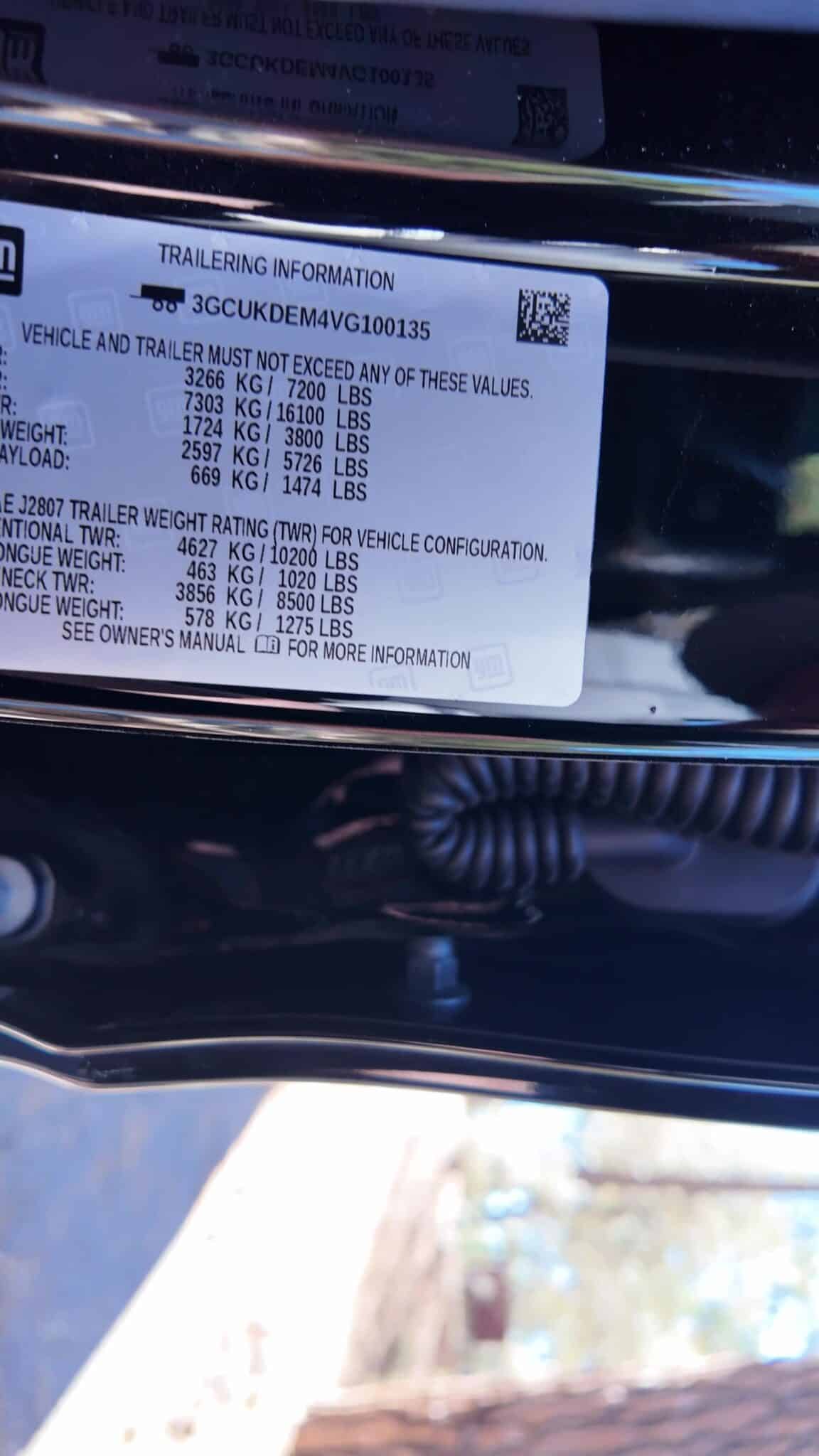
The High Country’s door-jamb label gives the figures that matter for this particular truck: 1,474 pounds of maximum payload, a 10,200-pound conventional trailer weight rating, a 7,200-pound gross vehicle weight rating, a 16,100-pound gross combined weight rating and a 1,020-pound conventional tongue weight rating. Those numbers describe the test vehicle; buyers need to check the label on the Silverado they’re considering rather than assume every configuration shares these limits.
The camper was estimated at roughly 5,000 pounds during a walkaround, but the combined rig wasn’t weighed. That estimate doesn’t establish its loaded weight or demonstrate the truck’s maximum capacity. Passengers, cargo, hitch equipment and trailer tongue weight all count against payload, so the truck’s rating and the actual trailer setup need to be considered together.
This was an initial drive with a camper, not a maximum-towing challenge or a long-distance fuel-economy run. It also covers different ground from a previous long trip in a 2023 Silverado Duramax, which provided thousands of miles of towing experience. The new truck’s behavior over a longer journey remains an open question.
Brake gain depends on the combination
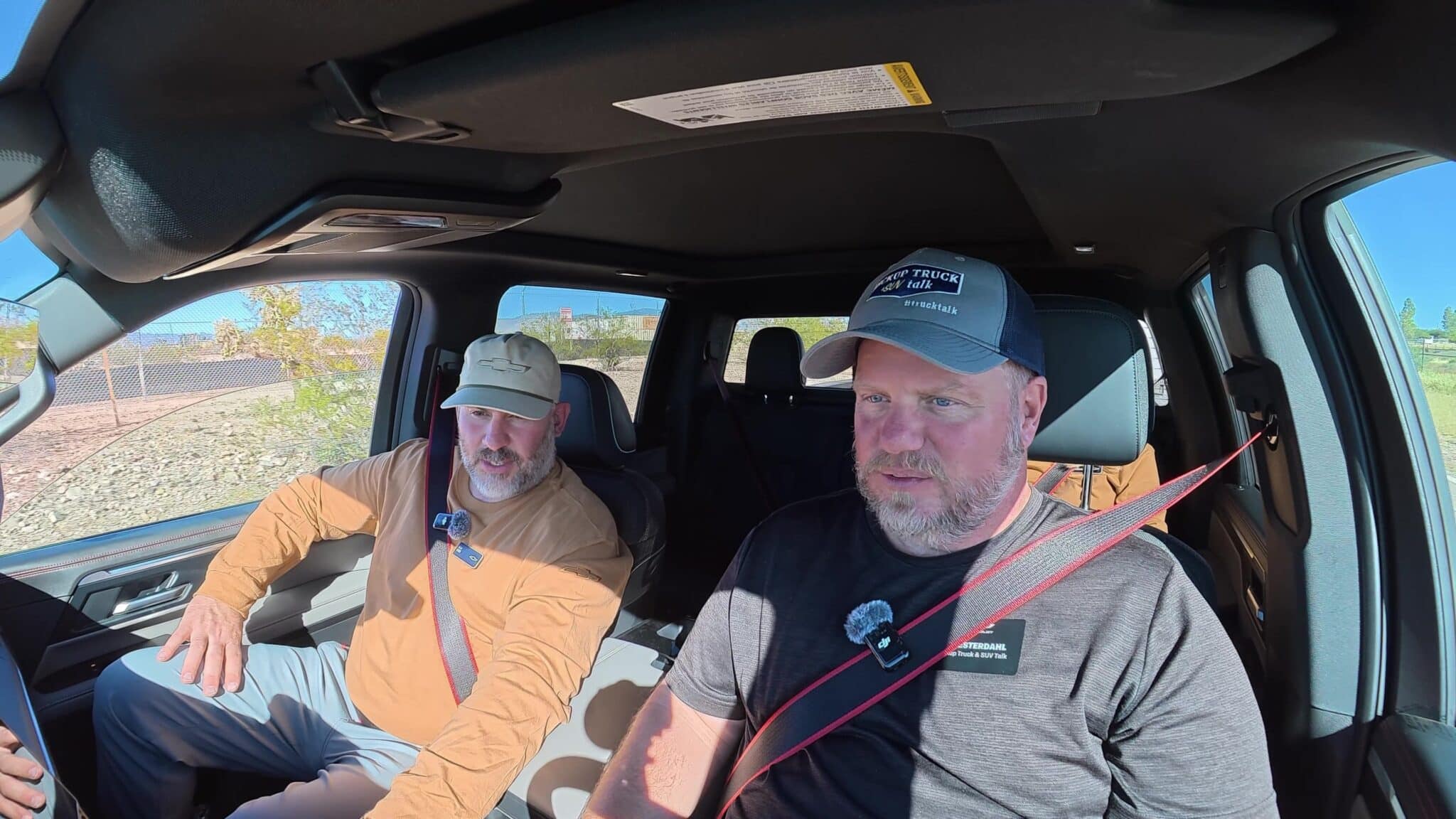
The trailer brake gain setup gets a separate demonstration with an engineer. That segment uses a different truck and trailer from the camper combination on the drive, so its example settings shouldn’t be treated as instructions for another rig. The tested camper setup had already been adjusted to a gain of 4.0.
Gain needs to suit the truck, trailer and driving conditions. The demonstration is useful for seeing how the adjustment process works, but the right setting for a particular setup has to be established for that combination. A number that appears in a demonstration isn’t a universal starting point.
V8 response and transmission behavior
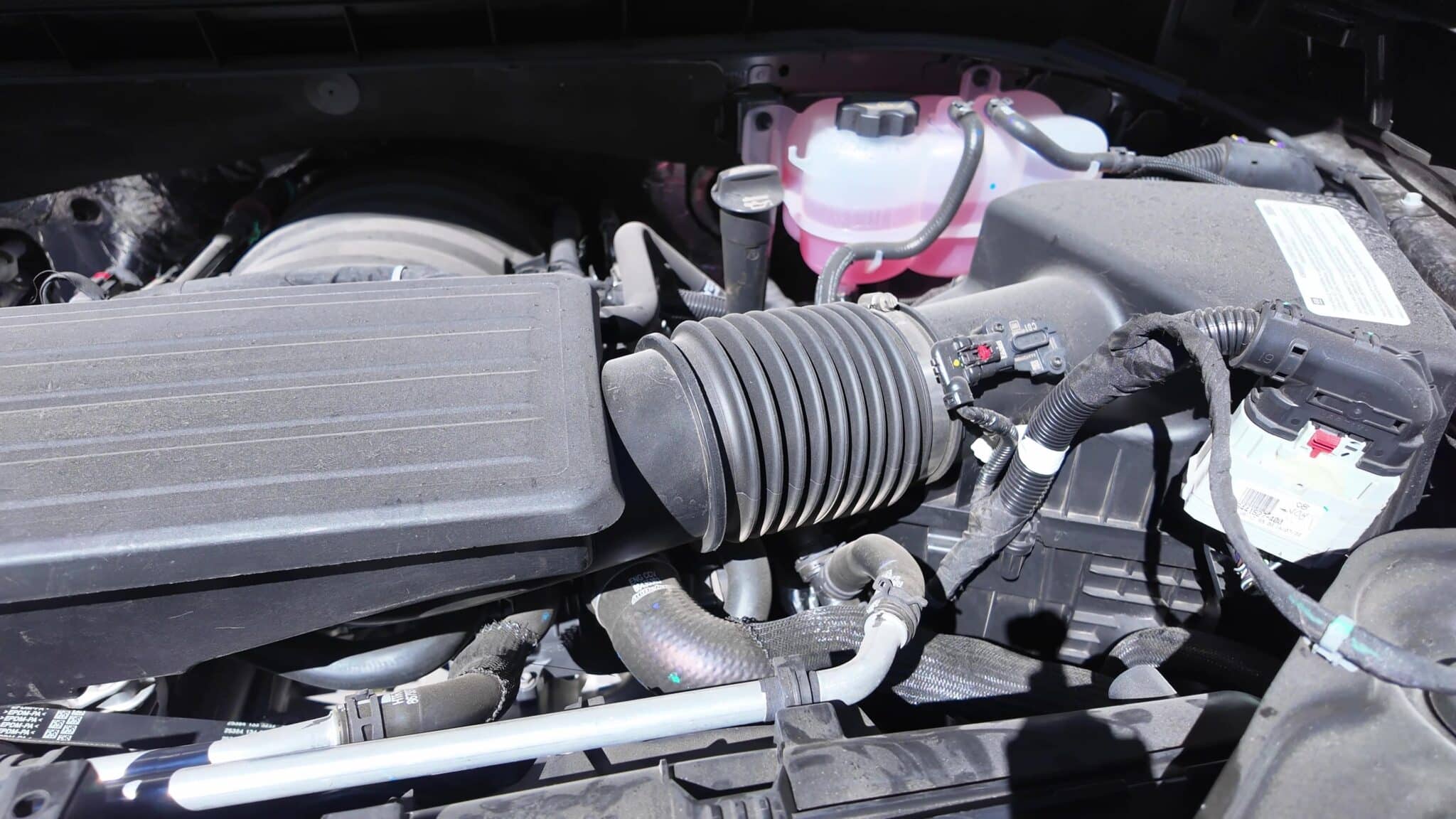
The test vehicle was a 2027 Silverado 1500 High Country with Chevrolet’s new 5.7-liter V8. Chevrolet lists that engine for the High Country and pairs Silverado engines with a 10-speed automatic transmission. With tow-haul mode engaged, the V8 had ample power for this route, while the transmission shifted well. Seat comfort also made a favorable impression during the drive.
One downhill corner offered a useful example of the transmission’s response: after the driver slowed, it downshifted as expected. That helped keep the descent manageable with the camper attached. Still, much of the route was a relatively low-speed mountain drive, with downhill travel at roughly 30 mph. It doesn’t establish how the truck performs at highway speeds or under different loads.
There was no instrumented braking assessment, repeatable fuel-economy test or durability evaluation. The powertrain feels promising in this first outing, but a longer trip would reveal more about its behavior across varied roads and sustained towing.
Camera views that helped on the road
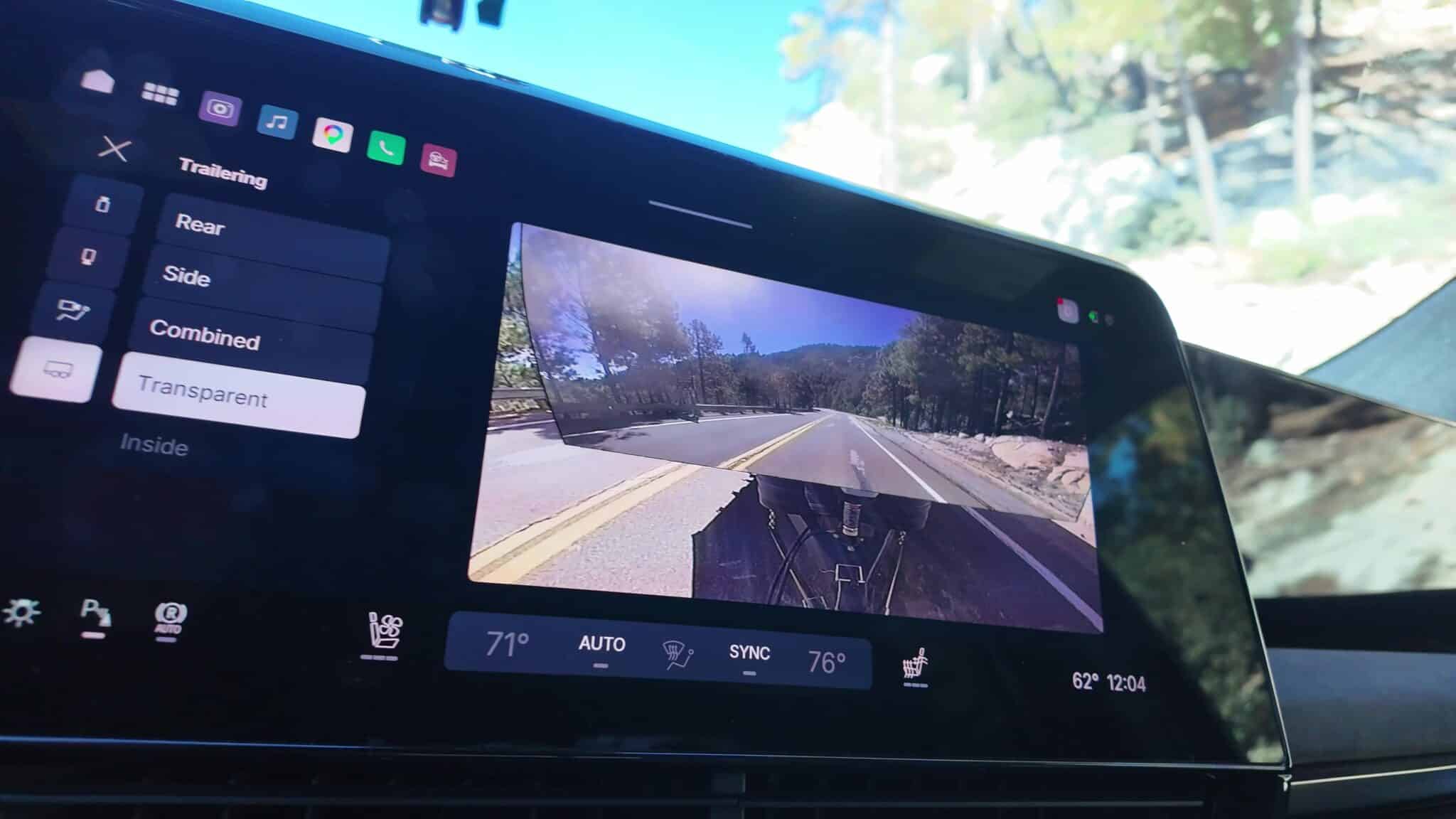
The camera system proved practical during the drive. The views remained available without repeated button presses, and the side view was helpful on tighter stretches through the forest. A transparent-trailer view helped show traffic behind the camper, with the camera information integrated into the truck’s displays rather than shown on a separate windshield-mounted screen.
The driver also examined the trailer side-blind-zone display and the side-camera view as the truck turned. Seeing more of the trailer’s side helped with judging its position and clearance. These views add useful information while towing, though the driver still needs to watch the road and surroundings.
For regular towing, that kind of visibility can matter as much as a headline power figure. The useful question is whether the displays help a driver understand where the trailer is during real manoeuvres; on this route, they did.
Longer tests still matter

Super Cruise with trailering also came up as a potential aid on longer drives, but hands-free towing wasn’t demonstrated on this route. That capability needs a dedicated test on a compatible road before it can be assessed in practice.
For now, the early read is straightforward: the V8 supplied the power needed for this camper, the 10-speed responded well and the camera views helped track the trailer. Highway towing, a longer road trip and fuel consumption under repeatable conditions are the next tests that will show how well those strengths carry over beyond a short mountain drive.