Porsche Carrera Cup Japan Targets 23 Cars for 2027 With New 992.2 Cup Car
Electric Vehicles Jamie Klein 859 reads
After a difficult transition season, Carrera Cup Japan targets 23 cars in 2027, backed by a new Cup car and broader support for young drivers.
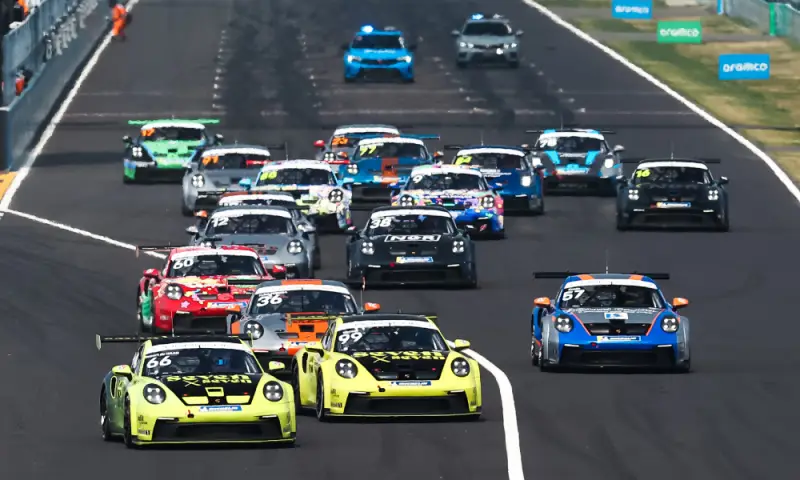
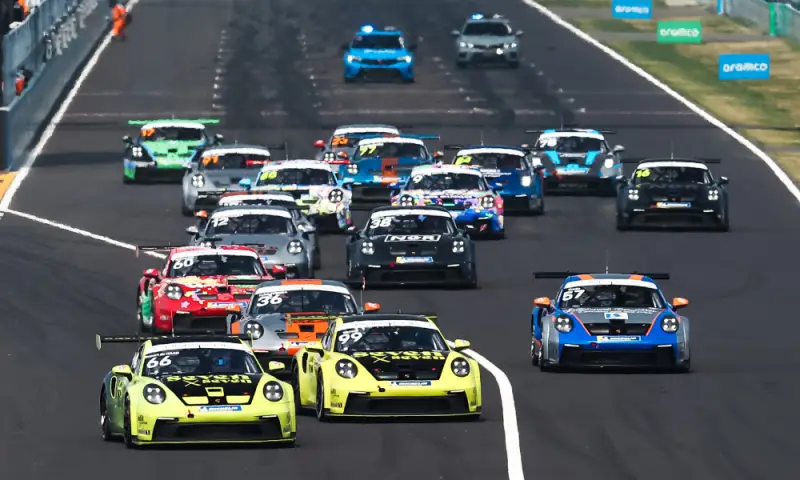
Photo: Porsche Carrera Cup Japan
Porsche Carrera Cup Japan is targeting a 23-car grid for 2027, as the series introduces the latest Type 992.2 Cup car and expands support for emerging drivers. That would mark a substantial recovery from a 2026 season in which most rounds drew around 10 entries, and put the championship closer to the field size its new operator has been seeking.
A transition season gives way to a larger target
Porsche Motorsport Asia Pacific (PMAP) took over the series ahead of the 2026 season, replacing Cox Inc., which had run Carrera Cup Japan since its revival in 2001. The handover came late in the previous winter, leaving limited time to prepare, according to Alexandre Imperatori, who helped manage the Japanese championship alongside his main role with the equivalent Asian series.
The grid reflected that unsettled start. Most events ran with about 10 cars. The season opener, held in support of the Japanese Grand Prix, attracted 17 entries, while the Fuji Speedway finale had 14. The 2026 season was also the final year for the 992.1 Cup car, making it a transition period before the new model arrives.
Imperatori described the opening months as difficult, but said the team gradually corrected course and now has a stronger foundation. PMAP also had to learn the particular ways race series operate in Japan. Its first year in the role has given the organization experience in that market, while several staffing changes are intended to strengthen its preparations for 2027.
Hideto Yasuoka left the series manager position after one season. Haruka Onozaki, who previously worked for SRO Motorsports Group Asia, has taken over. Imperatori said most of the new cars have already been allocated, with discussions continuing for the remaining units. PMAP’s stated goal is to start the 2027 season with 23 cars, and it expects more than 20 participants.
More depth across the three categories
The expected field is also intended to have greater depth in its Pro class. Imperatori anticipates at least six Pro entries, compared with four at most rounds in 2026. The remaining cars are expected to be distributed in roughly equal numbers between Pro-Am and Am, giving each category a meaningful presence across the grid.
That mix will matter to the championship’s appeal. A larger field can create more direct competition within each class, while a stronger Pro contingent gives the overall results greater depth. The numbers remain a target rather than a confirmed entry list, but PMAP says the allocation process is sufficiently advanced to be optimistic about the total.
The 992.2 Cup car provides a clear focal point for the reset. Its arrival gives teams a new model to campaign with after the 992.1’s final season, and gives the series a natural moment to attract entrants considering a fresh start. The source provides no technical specifications or pricing for the new car, so the immediate measure of its impact will be how many teams commit and whether the promised grid size holds through the season.
Talent support broadens beyond the champion
PMAP is also changing how it supports young drivers. In 2026, Taichi Watarai was the only driver in the series’ Talent Pool. For 2027, support is set to reach multiple competitors, with the program drawing on an approach used in recent years by Porsche Carrera Cup Asia.
The selection process begins with an assessment at the Porsche Experience Centre in Tokyo on Dec. 10. Eight drivers are due to take part, and no more than five will receive support for the 2027 season. The broader group is designed to recognize strong performances by both internationally minded drivers and those who want to build a career in Japan.
Imperatori said the championship has not traditionally been viewed as a strong route for young drivers, and changing that perception will take time. He pointed to Watarai and 2025 champion Iori Kimura as examples the series wants to build on. The aim is to make PCCJ a more visible stepping stone, while giving more than one driver a chance to benefit from its development efforts.
A route toward GT racing
The career path PMAP is promoting includes potential opportunities in SUPER GT. Through its collaboration with Seven x Seven Racing, the series plans to offer GT3 tests to its best-performing Talent Pool drivers. That connection adds a practical next step to the support program: drivers can compete in PCCJ, earn recognition through their results, and potentially gain experience in a GT3 car.
Other changes are meant to make the championship more professional and appealing to young competitors. Seiji Ara has been appointed race director, while Joao Paulo de Oliveira will serve as driving standards advisor. Alongside a larger Talent Pool and a new car, those appointments form part of PMAP’s effort to give the series a clearer identity after a demanding first year at the helm.
The test for the reboot will be visible in two places: whether the entry list reaches its 23-car ambition, and whether the development program produces credible next steps for its leading drivers. For now, PMAP says the grid is stronger than a year ago and most of its new cars are spoken for. If those commitments translate into race entries, 2027 should offer a fuller field and a more defined route from Carrera Cup Japan toward higher-level GT competition.