Ryder Adds Six East Coast Sites and 1,200 Vehicles With Efficiency Enterprises Deal
Electric Vehicles John Kingston 918 reads
The purchase adds six locations and about 1,200 vehicles to Ryder’s FMS network, with roughly $50 million in projected revenue next year.
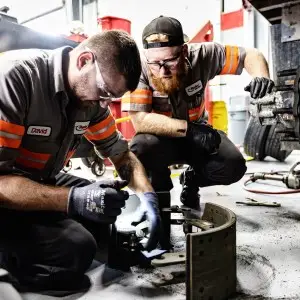
Ryder is adding an established East Coast fleet operation to its Fleet Management Solutions (FMS) network, bringing six locations, about 1,200 vehicles and a base of leasing and maintenance customers. The purchase of Efficiency Enterprises is expected to contribute about $50 million in gross revenue to FMS next year. Ryder did not disclose the purchase price.
The deal’s appeal appears to be its combination of operating assets and local reach. Efficiency Enterprises already has facilities, customers and technicians in several transportation and distribution markets. Building those capabilities from scratch would require Ryder to develop customer relationships, staff locations and assemble a vehicle base over time. The purchase gives the company an existing operation to connect with its own network.
Six locations across the East Coast
Efficiency Enterprises operates in Orlando, Tampa and Fort Myers, Florida; Astoria in Queens, New York; Baltimore; and Middletown, Delaware. Ryder says the sites will expand its capacity and service coverage in those markets. The company provides fleet management, maintenance and leasing for trucks, trailers and material handling equipment, services that broadly overlap with Ryder’s FMS business.
The acquired fleet includes approximately 1,200 vehicles, about 900 of them power units. That gives Ryder both equipment and physical locations to support customers across the operation’s existing footprint. The available details don’t specify how the vehicles will be assigned within Ryder’s network, or whether the sites will retain their current operating arrangements.
For customers, the practical measure will be how the added capacity translates into service availability. A local maintenance presence can matter when vehicles need attention near their routes or facilities, while leasing gives businesses another way to source fleet equipment. Ryder has described the purchase as a broader addition to FMS, combining leasing, maintenance, customer relationships, assets and locations.
A modest addition to a large business
The projected $50 million in gross revenue is a small increment beside FMS’s scale. The unit recorded approximately $4.6 billion in revenue during the first nine months of the year cited by Ryder. The purchase therefore looks less like a transformation of the segment than a targeted addition of regional capacity and customer coverage.
That distinction matters when assessing the strategic logic. A purchase can make sense even when its revenue contribution is limited if it provides facilities, skilled workers, equipment and established relationships in places where a buyer wants a stronger presence. Ryder says Efficiency Enterprises complements its existing FMS network and will help expand capacity and customer support in important transportation and distribution markets. The company has not provided further details about the transaction’s expected contribution to profit.
Ryder’s broader business mix also provides context. FMS accounted for 56% of Ryder’s total revenue in 2018 and 40% in the company’s most recent quarter, according to a slide in its third-quarter presentation. The latest purchase adds to FMS even as that segment represents a smaller share of the company’s revenue than it did several years ago. That shift in proportion doesn’t change the scale of FMS itself: the segment remains a multibillion-dollar operation.
How the deal differs from Ryder’s earlier purchase
Efficiency Enterprises is Ryder’s second acquisition that added to FMS in three years. In 2024, Ryder bought Pit Stop Fleet Services, which brought approximately $24 million in revenue and expanded Torque by Ryder, the company’s retail mobile maintenance business, along with its geographic reach.
Ryder describes the two purchases as addressing different needs. Pit Stop focused on mobile maintenance. Efficiency Enterprises brings a wider mix of leasing, maintenance, customers, vehicles and sites into the network. That makes the new deal a broader fleet operation, rather than a maintenance-focused addition alone.
The difference also helps explain why Ryder may value the acquired footprint beyond its projected revenue. Six established locations create service points in markets where the company wants more capacity, while the technicians and customer base provide an operating foundation. The purchase’s value will depend on how well those pieces fit with Ryder’s existing coverage and support customers’ needs across the region.
For fleet operators in the affected markets, the near-term question is how the expanded network will shape access to leasing and maintenance services. For Ryder, the key measure will be whether the locations and fleet can add useful capacity while fitting into FMS operations. The deal’s disclosed scale is clear; its longer-term contribution will become clearer as Ryder integrates the operation and reports on the business.