How Werner Combines Truck Safety Technology With Driver Trust
Electric Vehicles Mary Goodson 982 reads
Werner pairs cameras, collision mitigation and AI coaching with transparent policies and fair feedback across its 8,500+ truck fleet.
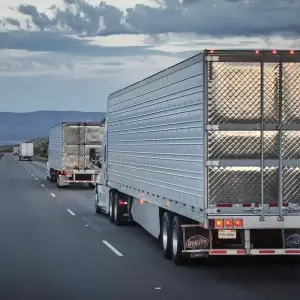
For Werner, the hard part of a truck safety technology program isn’t fitting cameras or turning on telematics. It’s making sure drivers trust how those tools are used. The carrier’s approach combines newer equipment with coaching and clear communication, treating driver acceptance as part of the safety system.

Ryan Gass, Werner’s vice president of safety and terminal management, says the company begins with a principle: “Safety is one of our core values. It starts with the foundational belief that nothing we do is worth getting hurt or hurting others.” That commitment shapes decisions about equipment, training and accountability, with the aim of giving drivers tools that help them work proactively.
More visibility around the truck
Werner’s relatively young tractors and trailers let it put newer safety systems into more of its fleet. The carrier has deployed collision mitigation technology across more tractors and is adding sideview cameras. Those cameras build on the forward-facing systems Werner adopted several years ago.
Each system addresses different situations. Collision mitigation adds a layer of support to a driver’s judgment and skills. Sideview cameras feed a monitor that can help drivers check blind spots during lane changes and while backing. In-cab coaching provides active feedback as drivers work.
Gass describes collision mitigation as a “belt and suspenders” approach: an additional safeguard alongside the driver’s own experience. Werner says it has seen reductions in accident and incident frequency, as well as severity, though it doesn’t provide figures for those changes.
Video and telematics data also have a role after an incident. Information captured in the cab can help establish what happened and assist with claim resolution. That can benefit a driver when footage supports their account of an event, as well as helping the carrier review claims.
Trust determines whether the tools work
Cameras can prompt concerns about surveillance and privacy. Gass says Werner recognizes those concerns and works to explain how it uses the technology. “At Werner, our focus is on using technology to improve safety, not to micromanage our drivers,” he said.
The company says it aims to be thoughtful about the information it collects and how it is used. Its approach centers on transparency, consistent coaching and showing drivers how the systems can help protect them. Video can clarify responsibility after an incident, while fair use of the technology can make drivers more willing to accept it.
“Ultimately, trust is earned through actions, not just policies,” Gass said. For carriers considering similar systems, that puts communication and coaching alongside equipment planning. A camera may collect useful information, but drivers need to understand its purpose and see that the information is handled fairly.
Scaling coaching across 8,500+ trucks
Data has limited value if a fleet can’t act on it. Werner uses camera and telematics systems to identify behaviors that may point to risk, giving its team a chance to address them before an accident occurs. Doing that consistently across more than 8,500 trucks is a substantial task.
The carrier is beginning to incorporate AI-generated coaching using the likenesses of its safety team. The goal is to make feedback more consistent and personal while extending the team’s reach. Gass says AI could expand coaching without removing the relationships between drivers and the safety professionals they know.
Werner is at an early stage with this work. It is also exploring predictive analytics, enhanced driver communication and closer integration among camera systems, telematics and driver platforms. The intended direction is to spot emerging risks and help the team respond sooner, while keeping people involved in coaching.
Safety, retention and operating costs
Safety technology by itself may not recruit or retain drivers, Gass said. A carrier can gain an advantage by showing a real commitment to safety, offering fair coaching and investing in tools that help drivers do their jobs.
Werner evaluates its safety investment through changes in driver behavior, accident frequency and severity, claims expenses and operational efficiency. Gass says the company has seen significant reductions in critical safety events, Department of Transportation accidents and accident-related costs. He did not provide specific figures.
Technology still has limits. “The technology itself doesn’t prevent every accident, but when it’s used effectively, it can make a measurable difference,” Gass said. Even preventing a small number of serious crashes can have a major effect on costs and, more consequentially, on the people involved.
Choosing tools with a clear purpose
Werner plans to keep evaluating AI and other systems, but Gass says the company won’t add technology simply because it is available. Its test is whether a tool improves driver safety and makes operations more efficient.
That standard captures the practical challenge for fleets: newer systems can provide more information, but information alone doesn’t change outcomes. The work lies in connecting equipment to timely coaching, using data fairly and earning enough driver confidence for the program to function as intended. For Werner, the measure of progress is whether those steps turn information into action that reduces risk.