Audi’s U.S. Factory Plan Faces Worker Resistance as EV and Porsche Strategies Shift
Electric Vehicles [email protected] (Amber DaSilva) 324 reads
Audi’s U.S. factory push is drawing criticism from Volkswagen workers, while Livewire restructures and Porsche reports a profit recovery.

Audi’s proposed U.S. factory has become a test of Volkswagen Group’s relationship with its German workforce. The plan puts a major new buildout abroad alongside proposed factory closures and job cuts at home, and Audi CEO Gernot Döllner’s appearance with Donald Trump has sharpened that tension. Elsewhere, Livewire is weighing its options after a leadership change, while Porsche’s smaller-volume strategy is beginning to show a financial return.
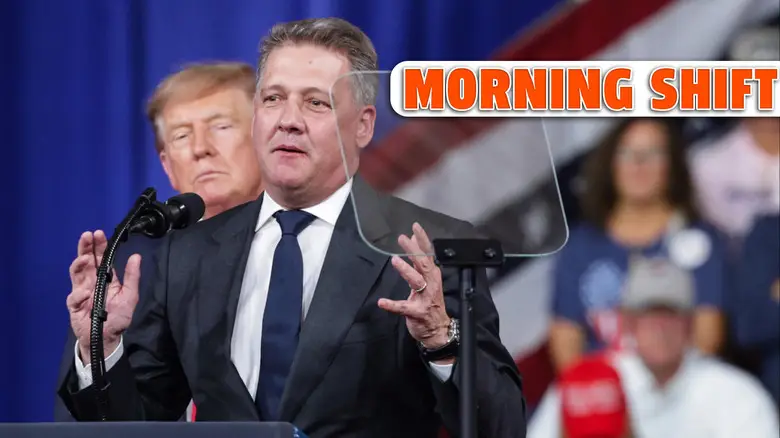
Audi’s factory plan meets resistance at home
Döllner joined Trump onstage in Georgia to discuss a new Audi factory in the United States. The appearance drew sharp criticism in Germany. The Frankfurter Allgemeine Zeitung characterized it as “Bending the Knee in Georgia,” while other commentators described the Audi chief as a national embarrassment.
The reaction matters beyond the optics. Volkswagen Group needs supervisory board approval for an investment of this scale, and labor representatives hold half of the board’s seats under Germany’s co-determination system. Lower Saxony, Volkswagen’s home state, holds two seats as well. That gives workers meaningful influence over whether the project proceeds and adds a new point of friction to negotiations over the group’s plans at home.
Volkswagen is considering closing factories and cutting jobs in Germany while directing funds toward a new U.S. plant. That contrast is likely to make the case for the factory harder to sell to employees, especially with Döllner’s public association with Trump now part of the discussion. The project may have a business rationale, but the workforce’s response could affect the group’s ability to carry it out. For Audi, managing that relationship is now part of the factory plan.
Electric cars are gaining ground outside the United States
The wider electric-car market continues to expand, but the United States is increasingly an outlier. Countries and regions are pursuing different approaches, and drivers’ needs vary. China has built demand through industrial measures and subsidies; Europe has used more measured incentives and rules; and some emerging markets are turning to electric vehicles partly because fossil fuels are harder to obtain.
That divergence raises a practical industry question: can U.S. automakers compete at global scale if their home market moves more slowly toward electric cars? Mike Murphy, founder of EVs for All America, which seeks to reduce partisan division around electric vehicles, described the future as uncertain. He asked whether the United States could become a smaller, high-margin market focused on specialty vehicles, or remain able to compete across the worldwide auto business.
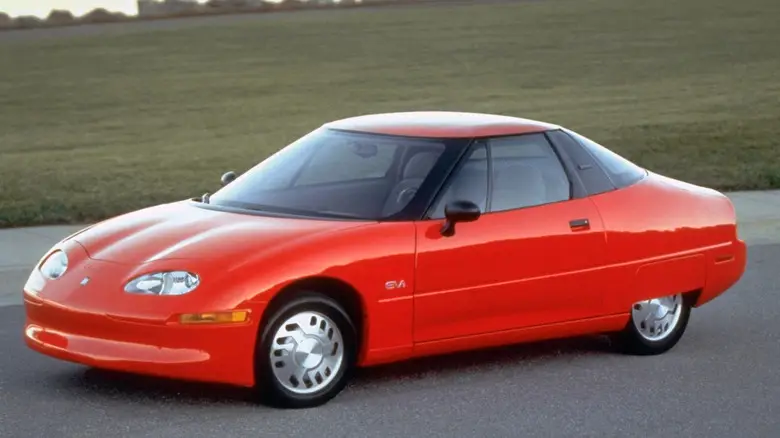
For manufacturers, differences between markets shape which vehicles make commercial sense to develop and sell in each place. A weaker domestic audience can limit the payoff from bringing a broader range of electric models to U.S. buyers, while other markets give automakers more reason to expand their offerings. General Motors’ EV1, introduced in the 1990s, was an early sign of the company’s interest in electrification. The distance between that experiment and today’s uneven market growth is a reminder that early activity alone doesn’t guarantee lasting momentum.
Livewire weighs its next move
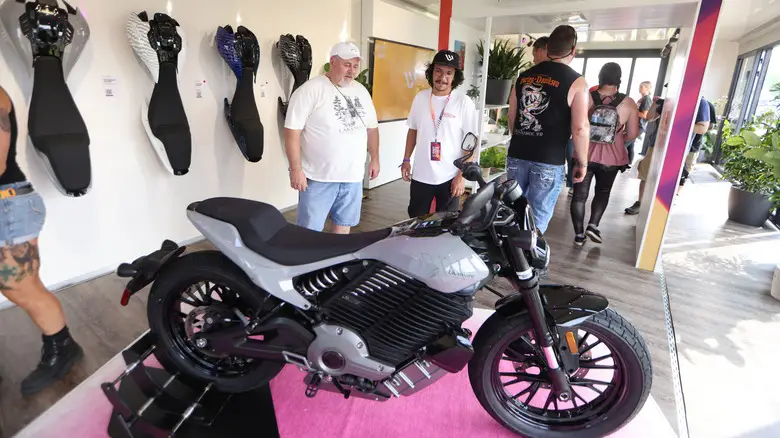
Livewire, Harley-Davidson’s electric motorcycle company, is under pressure as it considers its future direction. CEO Karim Donnez resigned last week, and a special restructuring committee is evaluating the company’s strategic options. Livewire appointed Roy Gallagher, a senior managing director at Ankura Consulting Group, as chief restructuring officer.
The change comes amid a difficult sales picture. Livewire’s motorcycles have not sold at the pace of Harley-Davidson’s Sportsters, with pricing and fit with customer demand among the possible challenges. The company said the committee’s work is intended to support a full evaluation of its alternatives. Its shares rose 2% on Monday, but remained down 62% since the start of the year.
Northcoast Research analyst John Healy called the concept strong but suggested it may not yet be ready for mass-market buyers, describing the situation as an economic reality. That assessment points to the challenge for electric motorcycles: an appealing product still needs a price and ownership proposition that can reach a larger customer base. For riders considering a Livewire such as the Del Mar, the company’s next steps will also matter for long-term support and maintenance. The restructuring review should offer a clearer indication of how Livewire intends to continue.
Porsche’s lower-volume approach starts to pay off
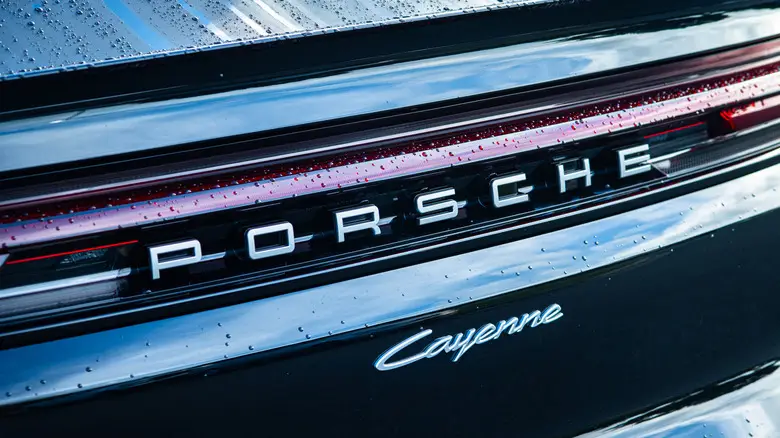
Porsche’s effort to reduce volume and earn more per vehicle appears to be gaining traction. The sports-car maker reported a recovery in profit for the first nine months of the year, an early sign that CEO Michael Leiters’ turnaround plan may be working. Leiters took the role at the start of the year and is steering the company toward a smaller business with less emphasis on China.
The shift follows a difficult period for Porsche’s electric-car strategy, which fell short of expectations and led to €2.7 billion ($3 billion) in restructuring costs. The company’s new direction puts greater weight on profitability as it responds to economic pressure and the cost of changing its product plans.
If Porsche continues to prioritize higher-priced cars over volume models such as the Macan, the brand could become more exclusive. That might support returns per vehicle, but it could also narrow the pool of buyers able to enter Porsche ownership through a new or used model. The first nine-month results provide an encouraging sign for the turnaround; the longer-term tradeoff between margins, sales volume and accessibility remains one to watch.