Tesla Cybercab Listed at $29,990 as China Car Output Slows
Electric Vehicles [email protected] (Amber DaSilva) 540 reads
Tesla lists its steering-wheel-free Cybercab for $29,990 plus a monthly autonomy fee, as China’s car output growth slows and Honda faces a stop-start probe.
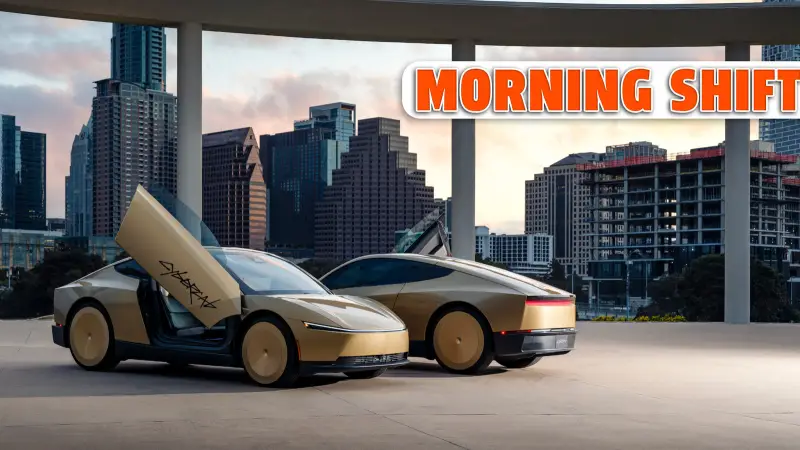
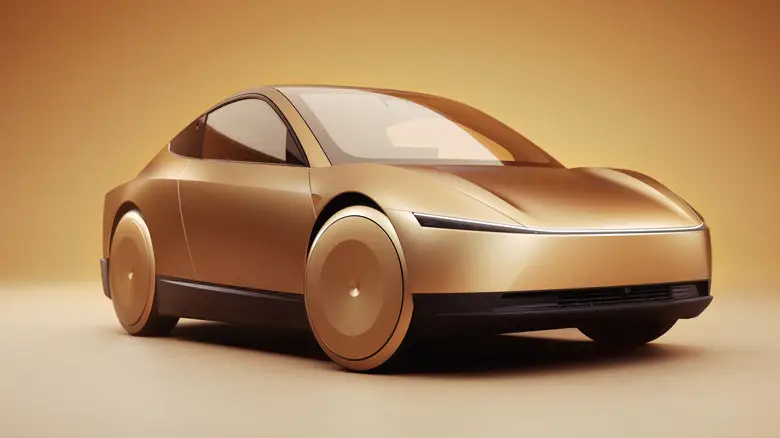
Tesla has put a price on the Cybercab before questions about selling and using the steering-wheel-free vehicle have been settled. The invite-only offer lists it at $29,990, plus $299 a month for an “Autonomy Subscription.” That makes the car’s price easy to quote; what buyers can currently do with it is less clear.
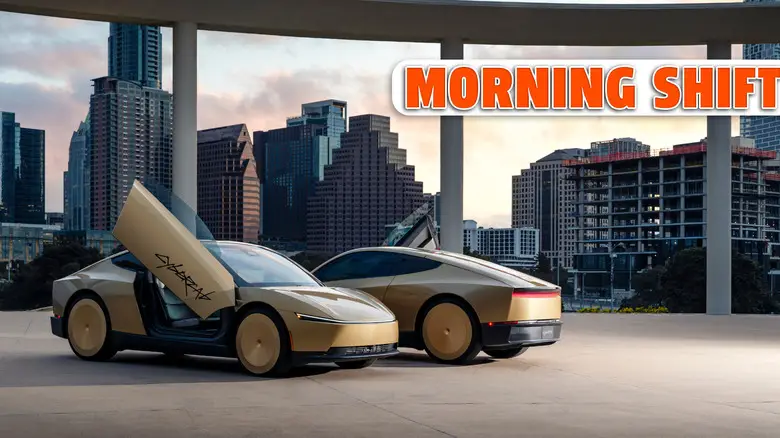
Tesla said on Friday that select customers could buy the two-seat vehicle for personal use. Elon Musk wrote that the offer would become available nationwide as the company receives approval. The vehicle’s availability therefore remains conditional, despite the order invitation. The National Highway Traffic Safety Administration is examining whether a car without a steering wheel can be sold for road use, and that review has yet to conclude.
The Cybercab is also designed around autonomous operation and heavy geofencing. Those features make the $299 monthly charge central to the proposition: the listed purchase price is only part of the cost of accessing the vehicle’s intended function. The offer gives prospective buyers a number to consider, but the details supplied so far don’t establish when broad availability might begin or what use would be possible while the review continues.
That gap between a sales invitation and a settled path to customer use is the story to watch. A two-seat vehicle built around autonomy has a narrower use case than a conventional passenger car, and the monthly subscription adds an ongoing expense on top of the purchase price. For buyers, the useful next details will be how the system works in practice, where the Cybercab can operate, and when customers can take delivery.
Stark Future’s funding could support a broader bike range
Electric motorcycle maker Stark Future has raised at least €150 million in equity and reached a valuation above $1 billion, according to its founder. The company is now the first electric motorcycle business in Europe to reach that valuation, and it plans to expand into larger motorcycle categories.
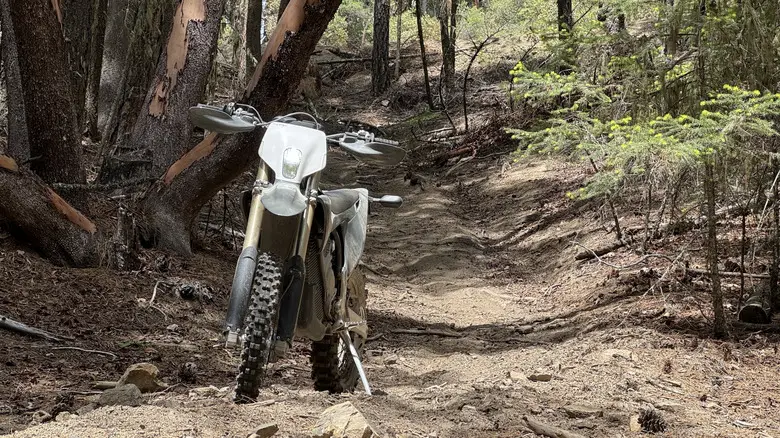
The new valuation is 60% higher than the €750 million figure attached to its September 2025 funding round. The funding gives Stark room to pursue additional models, though the company hasn’t specified which bikes will come first or when they might arrive. Its next challenge is to extend its electric off-road expertise into motorcycles that suit more kinds of riding.
That could matter most in road use, where comfort and everyday practicality shape the ownership experience alongside performance. Stark already makes electric dirt bikes, dual-sport models and supermotos. A more road-oriented bike could broaden the audience for its technology, provided the company can deliver a comfortable ride and a usable package for regular trips. For now, the larger-category plan signals intent; model details will show how far the range is set to stretch.
China’s car production growth nearly stalls
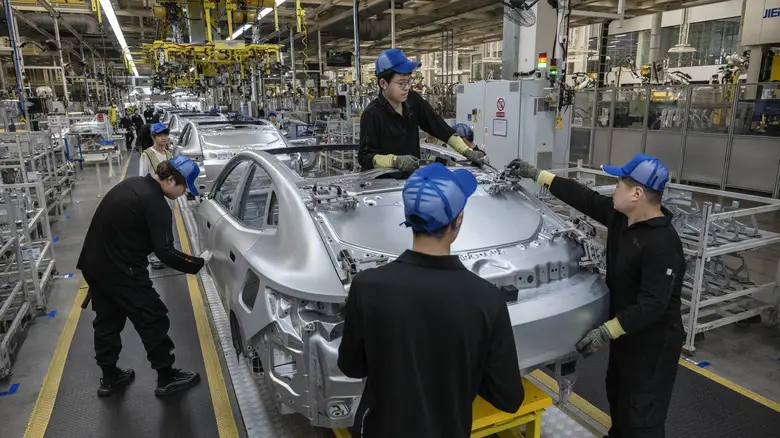
China’s car production grew just 0.9% in October compared with the same month a year earlier, its slowest pace since 2022. The pullback reflects a prolonged downturn in domestic demand and mounting pressure from excess production capacity in the world’s largest auto market.
The change matters because China’s manufacturers have built their position on scale, but factory output has to match the vehicles buyers can absorb. A market slowdown can leave companies with capacity they cannot use profitably at home. The latest figure suggests production growth is being adjusted to a more subdued local market rather than continuing at its previous pace.
Trade barriers in other markets may also be influencing where Chinese automakers build vehicles. Some companies are establishing production outside China, which can shift the connection between domestic factory output and their broader sales. If overseas operations keep expanding, a slower production figure at home may not by itself capture how much business Chinese manufacturers are doing abroad. The balance between local demand, factory capacity and overseas manufacturing will be key to understanding what comes next.
Honda models under review over stop-start complaints
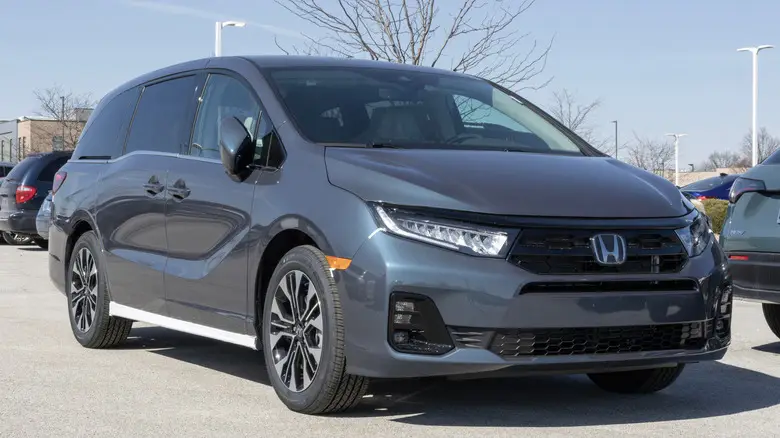
A US vehicle safety agency has opened an engineering analysis covering 1,033,632 Honda and Acura vehicles after reports that engines failed to restart following automatic stop-start activation. The affected vehicles are 2024–2026 Honda Odyssey, Passport, Ridgeline and Pilot models, along with the Acura MDX.
The agency has received 701 complaints about the feature. Stop-start systems shut down an engine when a vehicle is stationary and restart it when the driver is ready to move. If the restart fails, the system’s fuel-saving pause can leave the driver waiting for the engine to return. The reported issue centers on that restart stage.
An engineering analysis is a step in examining the complaints; the information available does not establish a final outcome. Owners of the listed models will want to watch for further findings and any instructions that may follow. For used-car shoppers, the model years and nameplates give a clear starting point for checking whether a particular vehicle is included.
The four developments point to different buyer questions: whether Tesla’s Cybercab can move from an invitation to practical customer use, whether Stark can make its electric motorcycle range more road-focused, how China’s makers respond to weaker local demand, and what the Honda review finds about stop-start reliability. In each case, the next useful information will be specific: availability and operating details, new bike plans, production trends, or a clearer account of the Honda complaints.