What Should Stellantis Change First? Tim Kuniskis’ New Sales Role Puts the Question in Focus
Electric Vehicles [email protected] (Collin Woodard) 742 reads
Tim Kuniskis now oversees Stellantis’ U.S. dealer network and sales. The bigger question is what a leader of the whole group should tackle first.
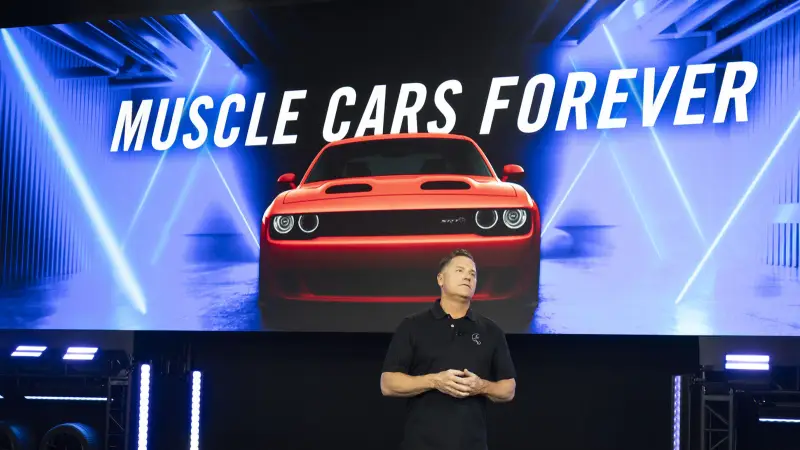
Stellantis’ latest move gives Tim Kuniskis a wider view of the business: alongside his leadership of the American brands and SRT, he is now U.S. chief commercial officer, responsible for the dealer network and retail and fleet sales. That makes him a more influential figure in the company’s American operations, while also sharpening a question that applies to the entire automaker: if you ran Stellantis, what would you change first?
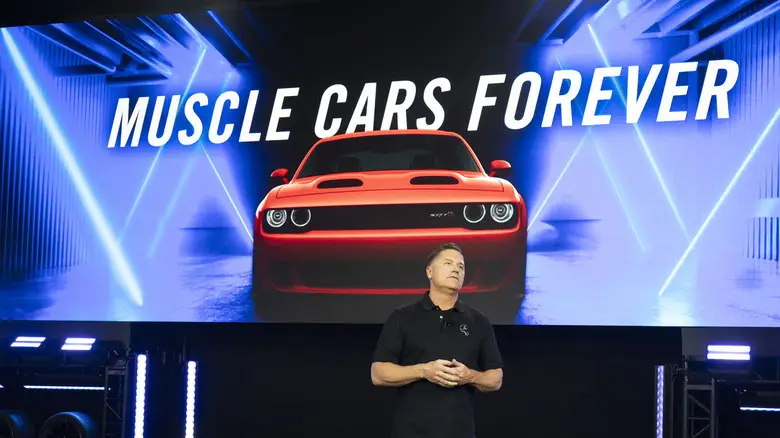
The promotion doesn’t make Kuniskis chief executive of the corporation. But his history with performance cars gives the hypothetical some personality. He has been associated with powerful Dodge models, including the Hellcat, and that kind of product instinct is easy to imagine carrying into other brands. It’s a funny thought experiment, though the harder challenge would be deciding where that instinct belongs across a company with brands serving very different customers.
A high-output electric Fiat 500e is one deliberately wild answer. The idea borrows the appeal of excess power from the muscle-car world and applies it to a small electric car. Whether such a version would make sense as a real product is another matter: a memorable specification can attract attention, but a brand also has to give buyers a reason to choose the car for everyday use. For an electric model, that means considering the whole ownership experience, including charging and practicality, not just the number on a power output chart.
One company, different brand problems
Stellantis brings together brands with distinct identities, histories and audiences. A single product formula is unlikely to fit them all. What works for a performance-focused Dodge may not suit Fiat, and a fix for Chrysler could look different again. That makes “change the lineup” an easy answer to give and a difficult one to turn into a plan: a company has to decide which brands need fresh products, which need clearer identities and where its resources can do the most good.
Even the way a brand names its vehicles can become part of that discussion. A model name helps buyers recognize what they’re looking at; a string of letters and numbers can be useful in some lineups, but it can also make a new vehicle harder to remember. Brand choices carry similar tradeoffs. An executive’s established preferences may shape the decisions they make, but those preferences don’t automatically translate across every company they lead.
That’s why the CEO question is more revealing than a simple request for a favorite new car. It asks which problem matters most. Would you start with a product people are eager to buy, make each brand’s purpose easier to understand, or focus on the way vehicles reach customers? With Kuniskis taking responsibility for the U.S. dealer network as well as retail and fleet sales, the commercial side of that question has a real connection to his new role.
The first move sets the direction
For a new leader, the first change can send a signal about what the company values. A dramatic performance model would make a bold statement about excitement and power. A clearer plan for a brand would speak to consistency. Attention to sales and the dealer network would put the customer experience closer to the center of the discussion. Each approach has a different audience, and none can be judged in isolation from the vehicles and brands it affects.
There’s also a practical reason to resist writing a full business plan in response to the question. A sweeping answer can sound convincing without identifying a first step. The more useful response is a specific priority, even if it’s a personal one: rescue a neglected brand, give a familiar name a better product, or make a small electric car absurdly quick. The point is to name the change you’d make before moving on to the next problem.
Personally, I’d decline the job. Running an automaker means making choices that affect a sprawling range of products, customers and employees, and no single executive can make every part of that work simple. Still, the question is worth answering because it forces a clear choice about what deserves attention first. Stellantis now has Kuniskis handling a broader commercial role in the United States; the more ambitious thought experiment is what any leader would do with authority over the whole company.
So: start with Chrysler, pick a brand outside the U.S., rethink the dealer experience, or build that unlikely 700-horsepower electric Fiat? The answer says as much about what you think Stellantis needs as it does about the kind of cars you want the company to make.