Rocket Lab and Stoke Space Target Falcon 9’s Launch Market
Electric Vehicles [email protected] (Nicholas Werner) 814 reads
Rocket Lab and Stoke Space are preparing medium lift rockets as SpaceX winds down Falcon 9, but launch schedules and capacity remain uncertain.
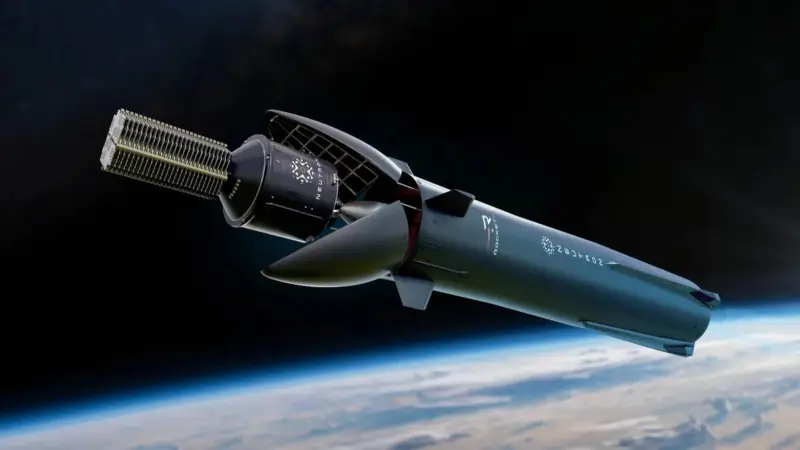
Rocket Lab and Stoke Space are building toward a larger role in the launch business as SpaceX plans to wind down Falcon 9. Their rockets could serve customers that need medium lift capacity, but the opportunity depends on vehicles still in development reaching reliable service while demand outpaces the alternatives.
The timing matters. SpaceX has stopped taking reservations for Falcon 9 flights and is putting its future plans behind Starship. The company needs Starship to carry its newest V3 Starlink satellites, and it is developing the rocket for missions that include taking astronauts to the Moon. Yet Starship’s readiness and availability to other customers remain open questions. Even if it works as intended, Starlink launches could take priority, while its larger scale may make it a more expensive fit for some customers.
That leaves a gap for operators with payloads that don’t require the biggest rocket available. Falcon 9 can carry 23 metric tons; Stoke Space’s planned Nova Block 2 is rated for 15, and Rocket Lab’s Neutron for 13. Those lower capacities could still meet the needs of many satellite operators. A customer seeking a medium sized mission may prefer a vehicle suited to that job over paying for capacity it doesn’t need.
Capacity on paper, launches still to come
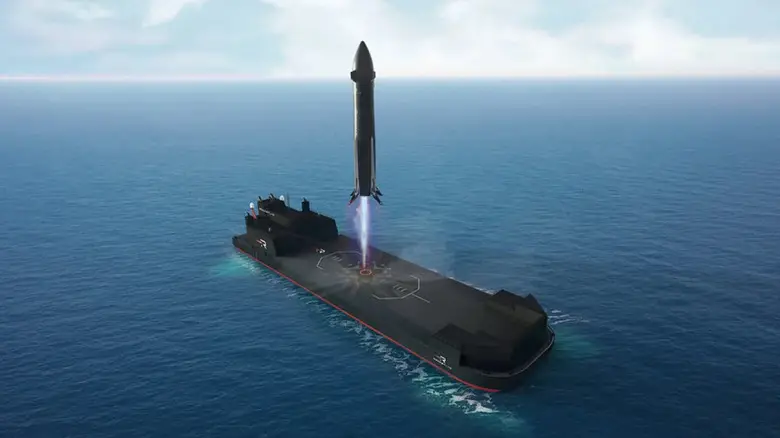
Both companies are expanding the infrastructure behind their rockets. Rocket Lab received a $150 million loan to upgrade factories and expand the fleet of drone boats used to recover returning rocket stages. Stoke Space received a separate $150 million loan to help build a launchpad at Cape Canaveral for Nova Block 2. The funding is intended to support launch capability and production, while giving the companies more capacity to pursue commercial work.
The hardware is the bigger test. Neutron’s first flight has been delayed to 2027, and Nova Block 2 is scheduled to begin flying in 2029. Those dates mean neither rocket can fill an immediate gap. Each must prove that it can launch and recover reliably before customers can count on regular service. A planned payload rating and a full order book are useful signals of interest, but neither demonstrates the cadence a launch customer needs.
Blue Origin’s New Glenn is another vehicle to watch. More than one new rocket could expand the market, but the practical measure will be how many reach service on schedule and how often they can fly. Rocket Lab and Stoke are pursuing a segment close to Falcon 9’s role, rather than trying to match Starship’s scale. That positioning could make their vehicles useful across a range of satellite missions, provided their development programs deliver.
Orders show interest, not available capacity

Rocket Lab has said Neutron is booked through the rest of the decade, despite not having flown yet. The company raised its quoted launch fee from $55 million to $70 million. That change points to strong demand and gives Rocket Lab more room to price launches as Falcon 9 availability recedes. It also makes the supply challenge plain: Neutron has 16 launches scheduled over the next several years, while Falcon 9 flew 165 times last year.
Those figures describe very different levels of operating capacity. A smaller operator can win customers and still lack the production rate, launch sites or flight history to replace a high cadence incumbent. For buyers, a booked schedule may indicate that alternatives are gaining traction, but it can also mean limited openings for new missions. The important question is not simply whether a rocket exists, but whether a company can offer a dependable place in its manifest.
The investments in launchpads, factories and recovery equipment could help Rocket Lab and Stoke increase that capacity. More launch providers would also give satellite operators additional options if a single company’s schedule or business priorities don’t match their needs. But infrastructure takes time to build, and launch reliability has to be earned flight by flight.
For now, Falcon 9 remains the reference point for the amount of work a single rocket fleet can handle. The next phase will depend on whether Neutron, Nova Block 2 and New Glenn move from development into repeat operations. Rocket Lab’s backlog suggests customers are already making plans around that possibility. The deciding factor will be how many launches the new vehicles can actually complete each year.