Mercedes-Benz C 111: From Wankel Prototype to Diesel Record Breaker
Electric Vehicles Glen Waddington 637 reads
The C 111 never reached production, but its evolving engines, aerodynamic body and Nardò runs made it a rolling test bed for Mercedes-Benz.
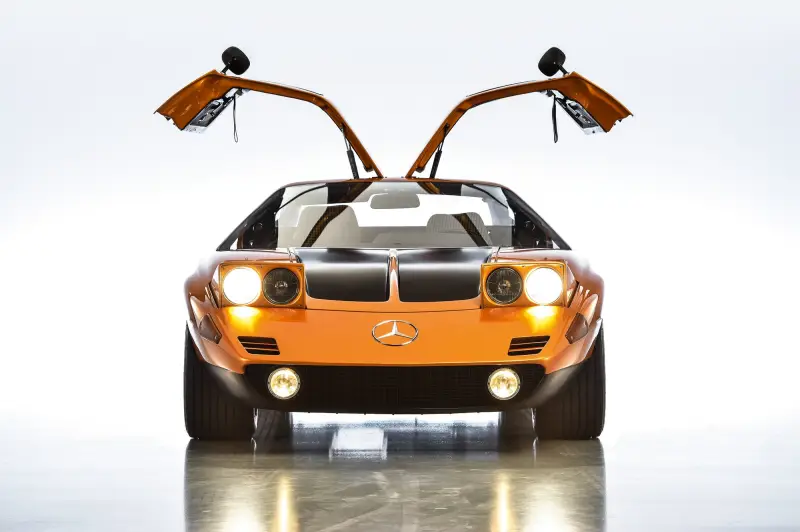
The Mercedes-Benz C 111 began as a striking Wankel-powered sports car and ended up setting speed records with diesel and petrol engines. It never became a production model, but the project gave the company a test bed for aerodynamic design, suspension and high-speed endurance. Its story is less about one definitive supercar than about how a single prototype family changed purpose as Mercedes-Benz’s priorities shifted.
From design study to show car
The first C 111 appeared in 1969 as an engineering study. For the second version, shown at the Geneva motor show in March 1970, design chief Bruno Sacco and colleague Josef Gallitzendörfer gave the technical project a more resolved shape. Wind-tunnel work cut its drag coefficient by 8%, to Cd 0.325.
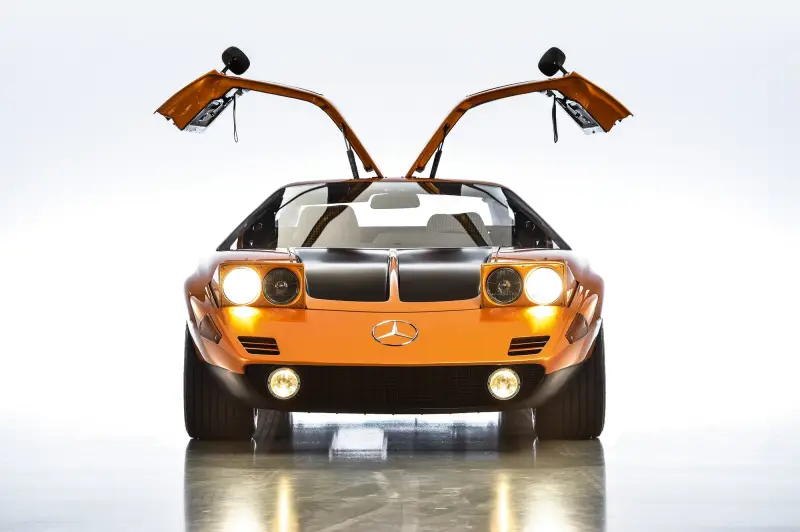
The body’s weissherbst finish can look bronze in the light, despite the name translating as “white autumn.” Beneath it sat a four-rotor, 2.4-litre Wankel engine rated at 350bhp. Mercedes-Benz claimed a top speed of 300km/h (188mph) and a 0–62mph time of 4.8 seconds. The car later proved capable of more speed, though the record runs came after the rotary engine had been retired from the project.
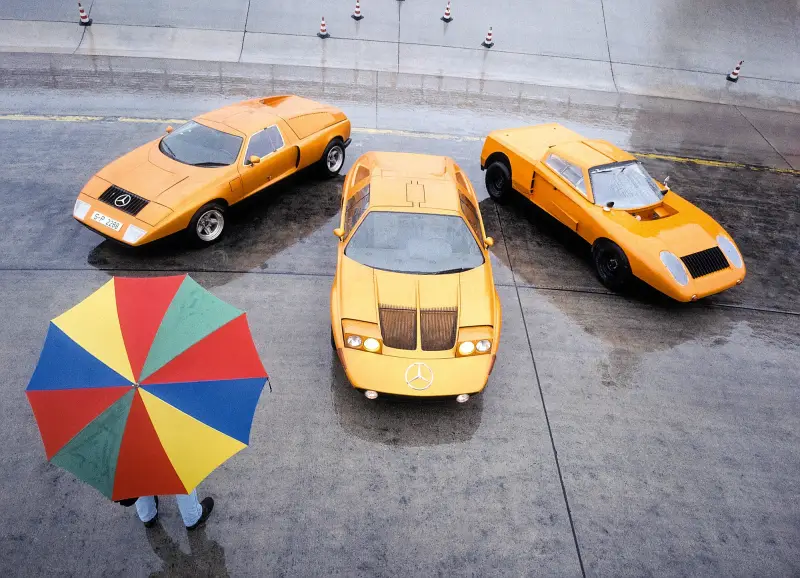
Rudolf Uhlenhaut, then head of passenger vehicle development, wanted practical details alongside the dramatic styling. The C 111-II needed a boot and had to carry skis on its roof. He also tested whether heat from the mid-mounted engine would melt butter stored in the boot. It passed his test.
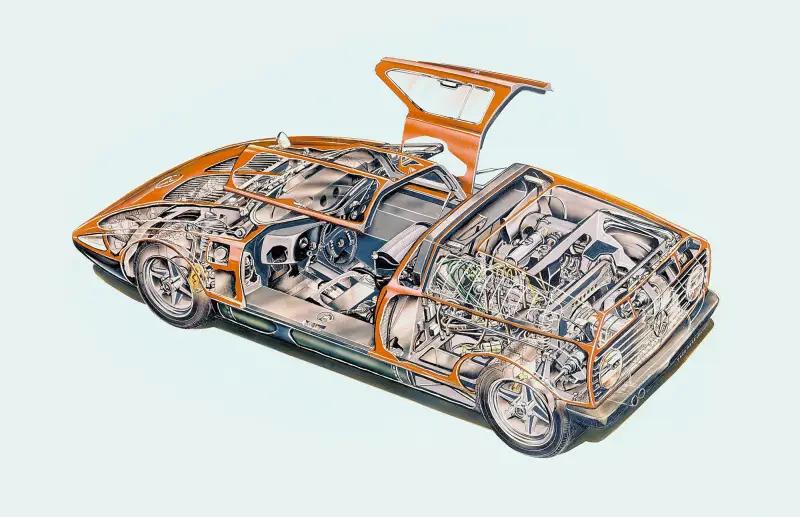
Computer-based engineering helped bring the car together. The C 111-II was described as the first vehicle designed entirely on a computer, using ESEM—the elastostatic element method—to calculate dynamic loads without first building a physical car. Mercedes-Benz said the approach shortened development by around four months, and marked the work with a documentary titled Das Auto, das aus dem Computer kam, or “The car that came from the computer.”
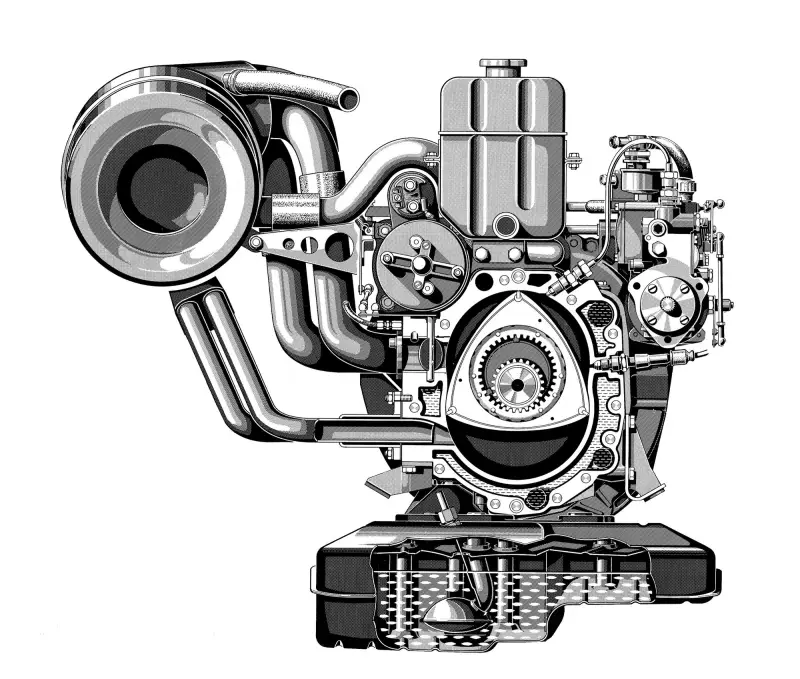
The chassis also carried ideas that extended beyond the prototype. Its suspension incorporated anti-squat and anti-dive control. The front arrangement soon became standard across the Mercedes range, while the rear axle anticipated the company’s later multi-link independent suspension.
The public saw the car at Geneva, while the first C 111-II built served as a press demonstrator at Circuit de Monthoux. Racing driver and journalist Paul Frère later praised its mix of comfort and handling, describing the latter as firmly in racing-car territory.
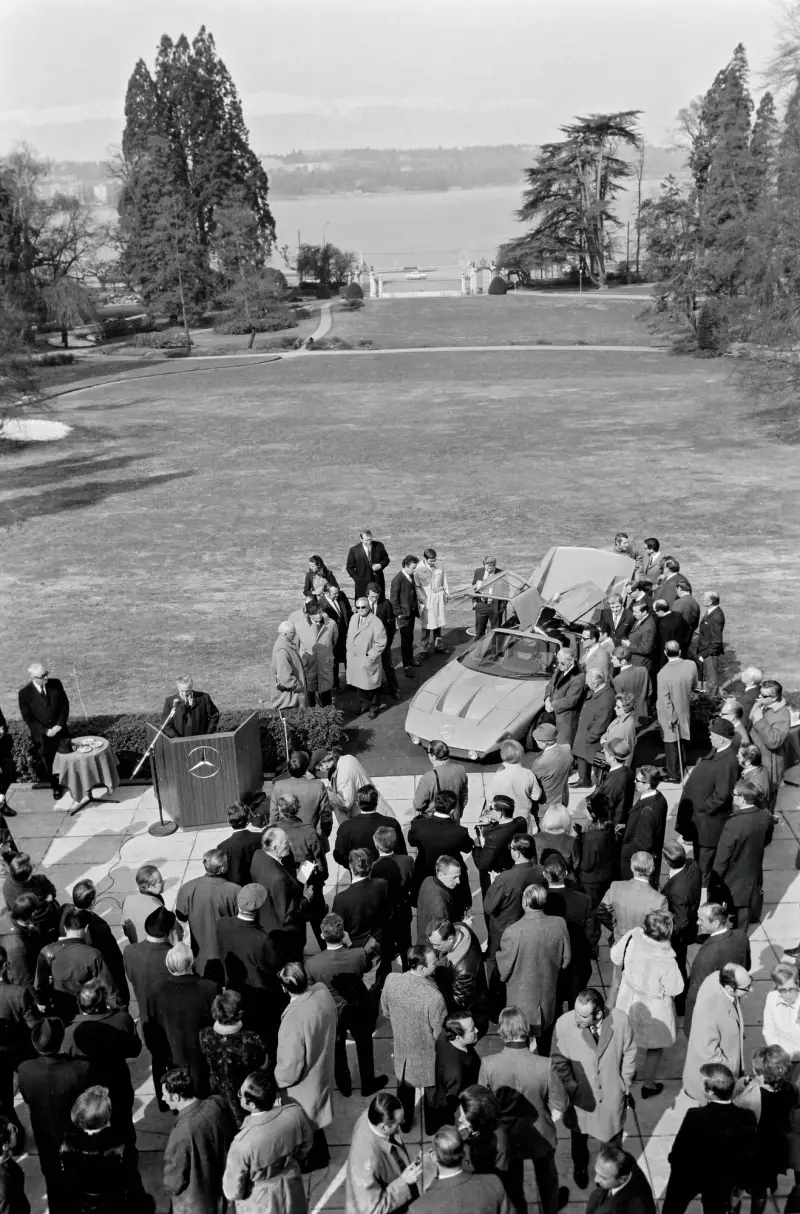
Interest from buyers was strong enough that blank cheques arrived in Stuttgart, but Mercedes-Benz made clear the experimental car wasn’t for sale. Earlier plans had considered a smaller, affordable Wankel sports car below the Pagoda SL, aimed at younger drivers and potentially suited to rallying. The C 111-II’s dramatic proportions instead invited comparisons with the 300 SL Gullwing, and expectations grew that it might become a flagship successor.
Only 14 C 111s were built. Three prototypes were scrapped, one car was lost in a test crash, and ten survive. Emissions requirements and the 1973 oil crisis helped push the project away from production and toward a more specialized role.
Road manners in the V8 version
Two C 111-IIs received conventional 3.5-litre Type M116 V8 engines in 1971, the same engine family used in the 280SE 3.5 saloon. One of those cars was driven in 2015. Its cabin felt precise and orderly, with the finish and layout of a Mercedes road car, even if the restrained interior didn’t match the body’s theatre.
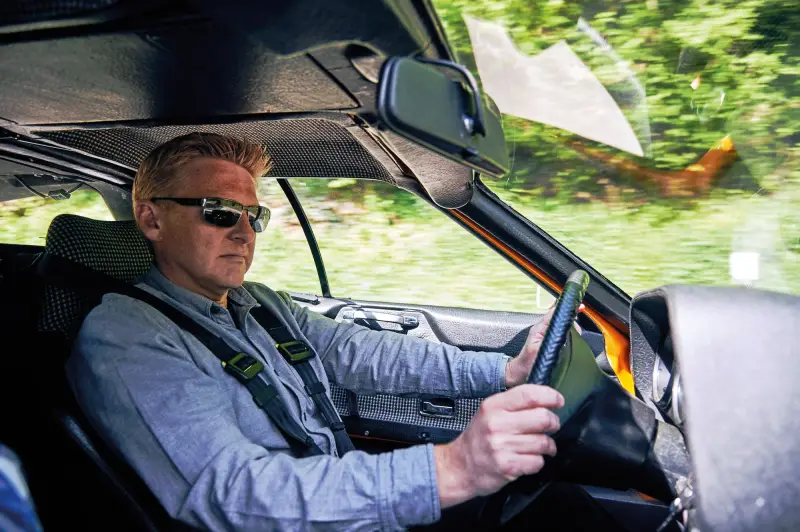
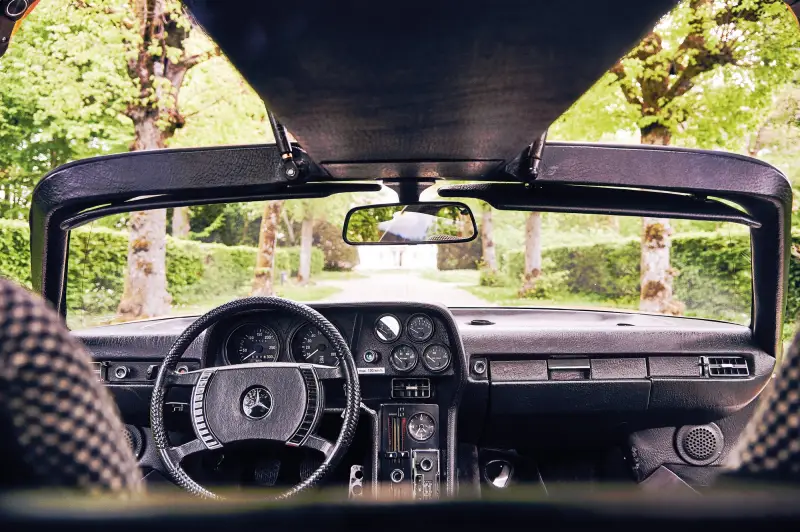
A dogleg five-speed gearbox and long-travel throttle pedal were part of the experience, but the car was approachable on public roads. Its steering was quick without feeling nervous, and turn-in built progressively rather than snapping into a corner. The mid-engine layout helped it feel balanced through fast bends, though steering feedback was limited.
The V8 delivered broad, relaxed torque and could pull through the long gearing or climb the rev range when asked. It sounded purposeful without sacrificing refinement. The impression was of a quick car that didn’t demand constant effort from its driver—an unexpectedly road-friendly character for a machine later associated with endurance records.
Diesel power turns the C 111 into a record car
With production ruled out and the Wankel programme set aside, Mercedes-Benz repurposed the C 111 for test-track work. The C 111-IID paired a 3.0-litre, five-cylinder turbodiesel with 190bhp. Further aerodynamic revisions reduced drag to Cd 0.25, setting the stage for a record attempt at Nardò.
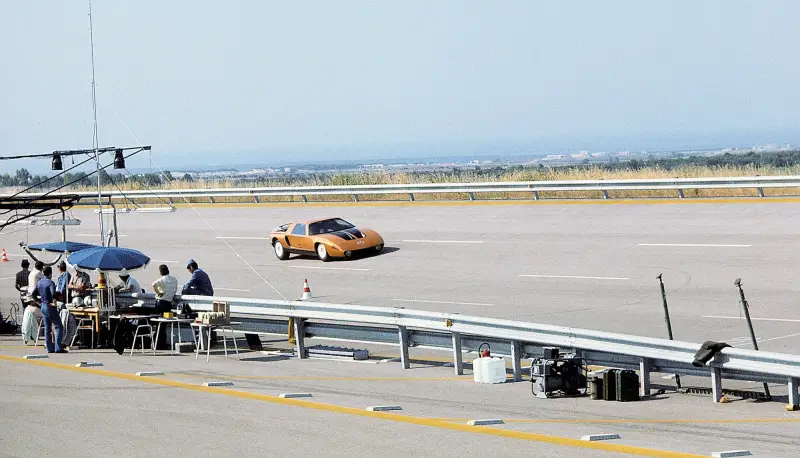
In June 1976, four drivers took turns at the track, swapping every two and a half hours during a 60-hour run. The car averaged 156mph and set 16 records. Its marks over 5,000 miles, 10,000km and 10,000 miles were absolute records, rather than records limited to diesel-powered cars. The C 111-IID also reached 62mph from rest in 6.8 seconds.
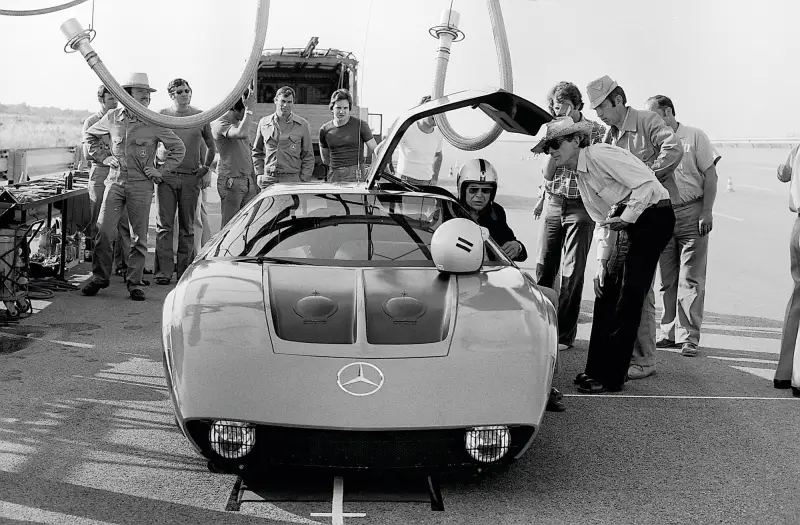
The next iteration, the C 111-III, put aerodynamics even further forward. Its Cd 0.183 drag coefficient was the lowest achieved at the time. A record attempt began on 30 April 1978 but ended after a rear tyre burst and damaged the car. A reserve car continued the effort, completing 12 hours of running and setting nine world records. It exceeded 200mph while achieving nearly 18mpg at an average speed of 186mph.
Mercedes-Benz then turned to petrol power for the C 111-IV. Its 4.8-litre twin-turbocharged V8 produced 500bhp. On 5 May 1979, the car set a world circuit record with an average lap speed of almost 251mph.
What the record car felt like on track
A later drive of the diesel C 111-IID at ATP Automotive Testing Papenburg offered a taste of the machine behind the Nardò figures. The test took place on 13 May 2010, on a facility with 7.6 miles of asphalt. The diesel idled at 966rpm, and the tall first gear and abrupt clutch made pulling away a little awkward. Once moving, the dogleg gearbox and strict 5,100rpm limit shaped the run.
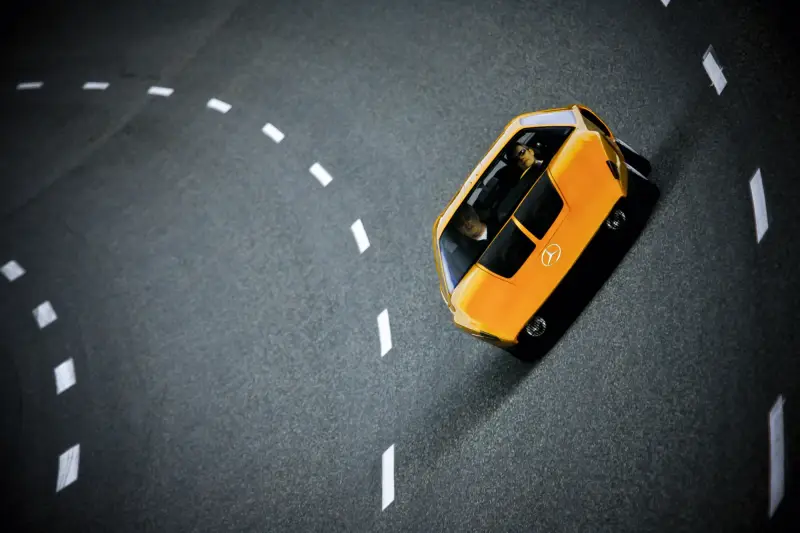
The car tracked straight on its narrow tyres, then climbed onto the banking. The driver was limited to lane three, but even that was enough to make the first laps tense. By the sixth lap, the speedometer showed 216km/h (135mph), and the banking felt less daunting as the car settled into its line. Later, the rev restrictions were eased and speed rose. The run ended when two Maybach prototypes passed on either side, leaving the C 111 in their way.
That brief drive reinforces the C 111’s unusual appeal: its record-setting work grew out of a car that could feel composed and manageable when driven at ordinary road speeds. The Wankel version drew the crowds, but the diesel and V8 derivatives gave the project its lasting engineering story. Mercedes-Benz used the family to explore how far a low-drag body and a carefully developed chassis could take very different powertrains.