Morgan 3 Wheeler Buying Guide: History, Common Problems and Values
Electric Vehicles Matthew Hayward 561 reads
The Morgan 3 Wheeler delivers a raw, distinctive drive, but buying well means checking its upgrades, chassis and drivetrain. Values range from about £20,000 to £40,000.
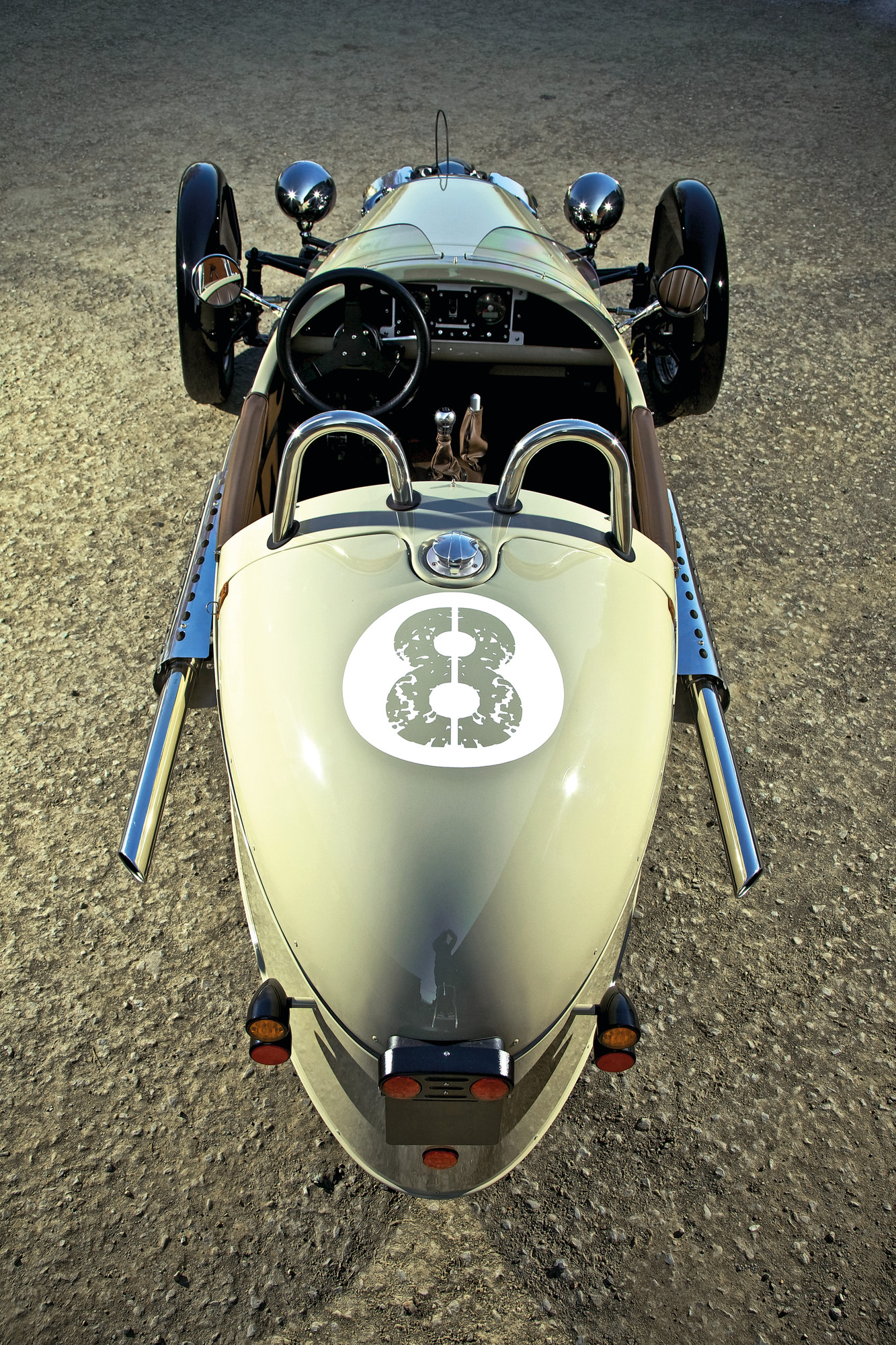
The Morgan 3 Wheeler makes modest speed feel vivid: its open cockpit, exposed V-twin and low driving position put the road close at hand. That character is the point, but it comes with a buyer’s checklist. Early cars had faults involving steering, chassis durability and drivetrain parts; factory revisions and owner upgrades can make a well-documented example much easier to live with.
What the 3 Wheeler offers
Morgan built the modern 3 Wheeler from 2012 to 2021, reviving a format central to the company’s early history. HFS Morgan developed his first three-wheeler prototype in 1909. Motorcycle-powered V-twin cars and the later Ford-engined F-series kept the idea alive until 1952.
The new model was unveiled at the 2011 Geneva Motor Show, drawing on Morgan’s Super Aero machines of the 1920s and 1930s. Its construction paired aluminium body panels with traditional ash framing over a tubular steel chassis. The result was an open two-seat car weighing about 525kg.
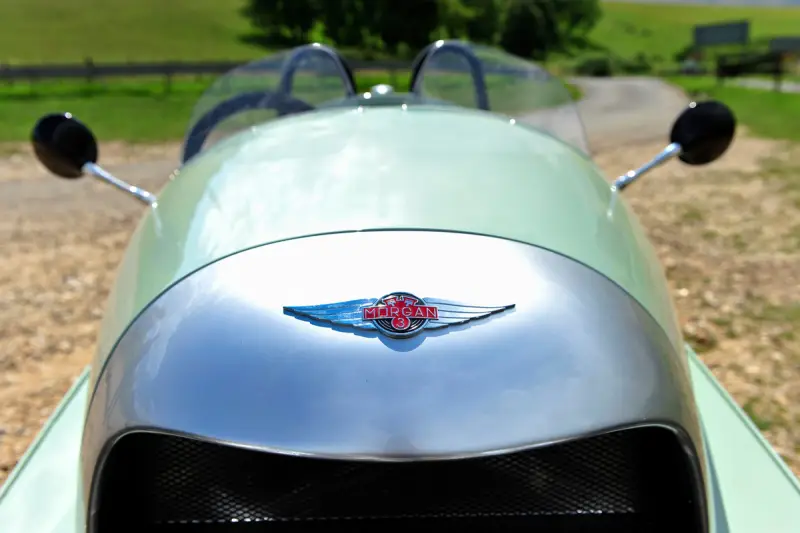
Power comes from an American-made, 1983cc S&S X-Wedge V-twin. Early versions produced 82bhp and 103lb ft, with a Mazda MX-5-derived five-speed manual gearbox sending drive through a compensator, bevel box and toothed belt to the single rear wheel. Morgan quoted 0–62mph in six seconds and a 115mph top speed. Those figures matter less to the experience than the open air and minimal bodywork, which make ordinary road speeds feel unusually intense.
Development and versions
Early cars could bump-steer over uneven surfaces, while the original compensator was prone to premature failure. Owners also reported chassis cracks, bevel-box noise and high engine temperatures in slow traffic. Morgan made a substantial set of revisions for 2014: altered steering geometry, a strengthened chassis, a Centa compensator, revised bevel-box mounts and an electric fan in the Urban Cooling Kit.
Later running changes covered the cam drive, voltage-regulator mounting and rear sprocket. The steel sprocket replaced an aluminium part that wore quickly. Many of these upgrades can be fitted to earlier cars, so build year alone doesn’t establish whether an example is well sorted. Records should identify the work actually completed.
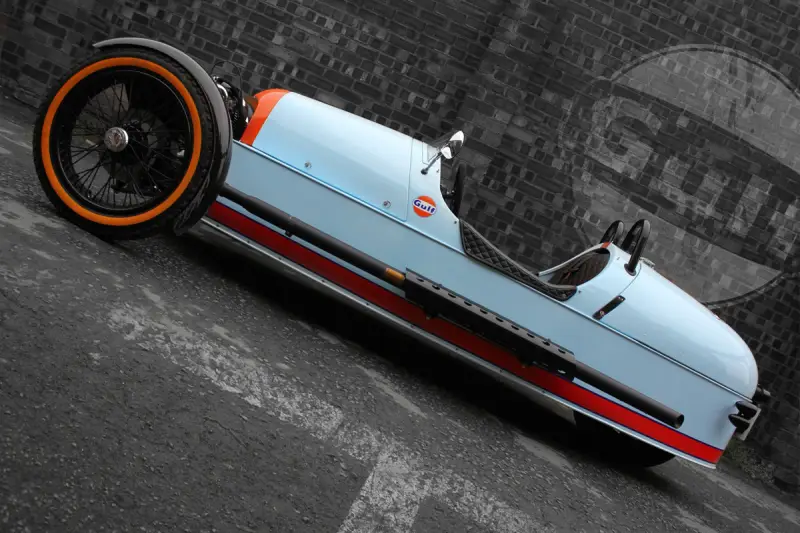
Revisions for 2017–18 brought the car into line with European emissions and safety requirements. Revised engine calibration and exhausts reduced output to about 68bhp, while suspension changes raised ride height by around 50mm. Euro 4 cars have more ground clearance and a more refined character; Euro 3 models retain the stronger performance and lower stance some drivers prefer.
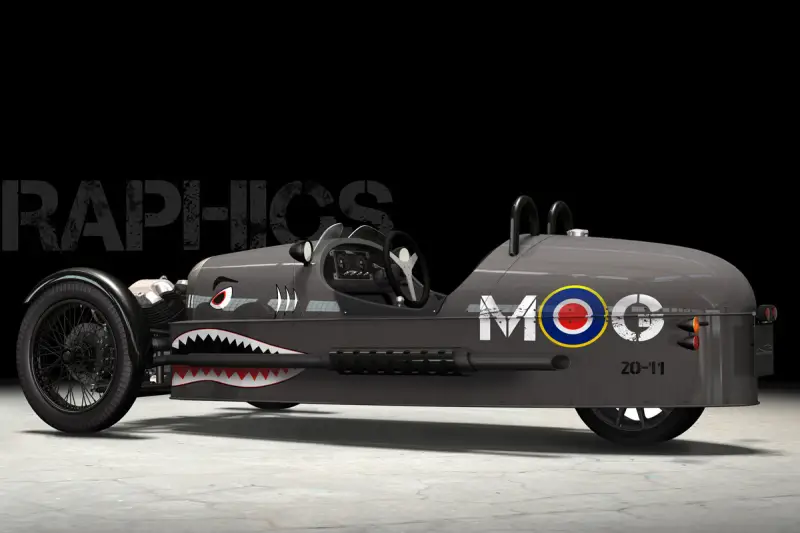
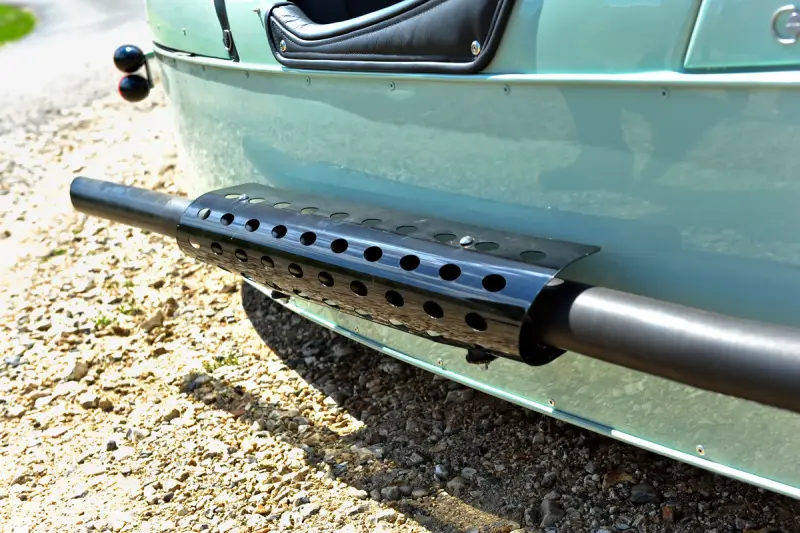
Paint, leather and graphics offered plenty of scope for personalisation. Special editions included the Superdry, Gulf and Brooklands, whose distinguishing details include fishtail exhausts. The P101 marked the end of production in 2021, with 33 examples planned ahead of the Ford-powered Super 3.
Choosing a car
A post-2014 car is an obvious starting point, but an earlier one can make equal sense if its key revisions are documented. A 2012 example with the strengthened chassis, revised steering, Centa compensator and steel rear sprocket may be a better buy than a newer car with a patchy maintenance record.
Ask for itemised evidence of upgrades rather than relying on a general claim that “all the updates” have been done. Changes were introduced at different points in production, and specialist invoices or factory records help establish what’s fitted. Low mileage isn’t automatically a virtue: a regularly used car with a thorough service history may be preferable to one that has spent long periods stored.
Inspection priorities
Chassis and running gear: Inspect the tubular steel chassis for fatigue cracks, especially the upper tubes behind the front wishbone mounts and the lower wishbone brackets. Look for repairs, replacement parts and corrosion around the tubes, mudguard brackets and exposed suspension. Check ball joints, bushes and mountings for play or knocks. The original steering geometry could make early cars nervous on rough roads; the Steering Comfort Kit revises the track-rod arrangement. Verify that the geometry has been set correctly, particularly if aftermarket dampers or bushes are fitted.
Some early cars were included in a campaign concerning brake-pedal assembly welding. The affected build period was October 2011 to March 2014. Confirm whether the work was completed, and have the pedal assembly checked as part of a thorough inspection.
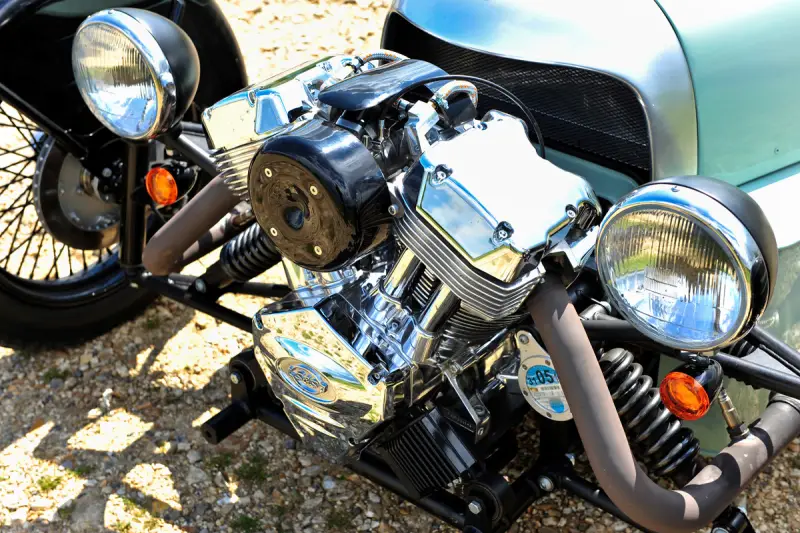
Engine and transmission: The S&S V-twin is generally sturdy internally, but inspect for oil leaks around the rocker covers, crankshaft seals and dry-sump tank. Loose spark-plug terminals and ageing ignition parts can cause running issues. Check the cam-drive updates, including revised pulley bolts and ventilation changes, and ask when the belt was last replaced. On early cars, the Urban Cooling Kit’s fan should operate correctly, along with any related ECU changes.
The compensator absorbs the V-twin’s torque pulses between engine and gearbox. Early Harley-Davidson-derived units could fail prematurely; the later Centa design is better, though its rubber rollers wear too. Rattles, driveline backlash or judder deserve investigation because replacement can require engine removal. The five-speed gearbox is generally dependable, but test for difficult shifts, clutch slip and judder. The pedal box is cramped, and some clutches have needed replacement before 25,000 miles.
Some bevel-box whine is characteristic. Excessive noise, vibration or an oil leak calls for closer checks, including the lubrication history. A later NVH mounting kit reduced transmitted noise for some owners, although results vary. Inspect the rear sprocket for hooked or damaged teeth and check the belt’s condition, tension and alignment. Steel replacements are preferable to the early aluminium sprocket, which can wear as grit collects between belt and teeth.
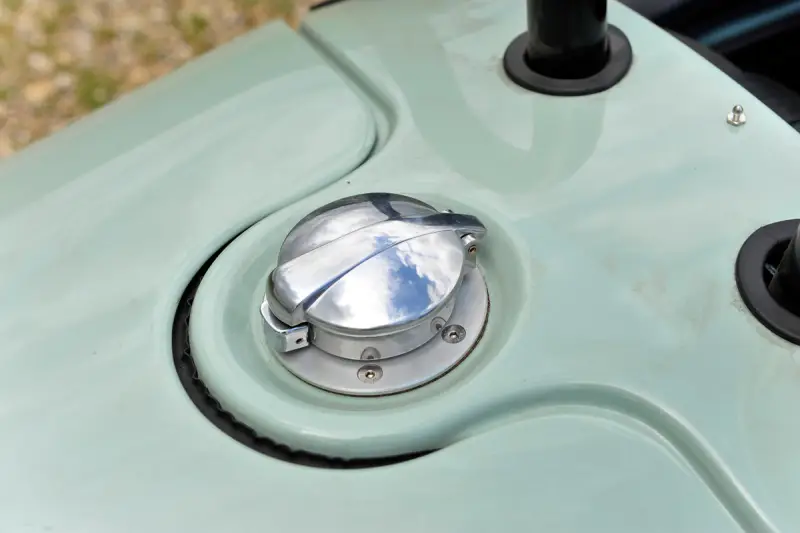
Fuel and electrics: Original electric fuel pumps can stop without warning. Listen for the pump priming when the ignition is switched on; many owners have fitted Walbro replacements. Check fuel-tank straps and brackets for cracks or looseness, and inspect lines for chafing or leaks. Early voltage regulators were vulnerable to heat, vibration and poor earthing. Check the charging voltage, wiring and battery, and establish whether the regulator has been relocated or replaced.
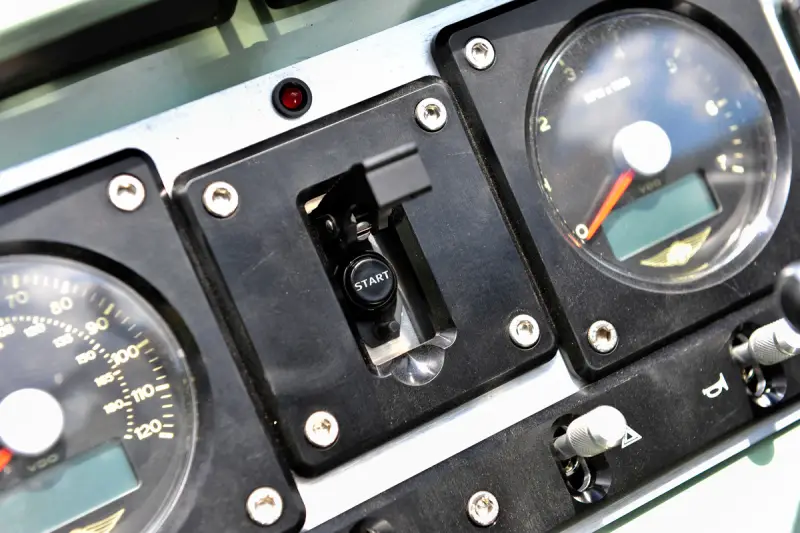
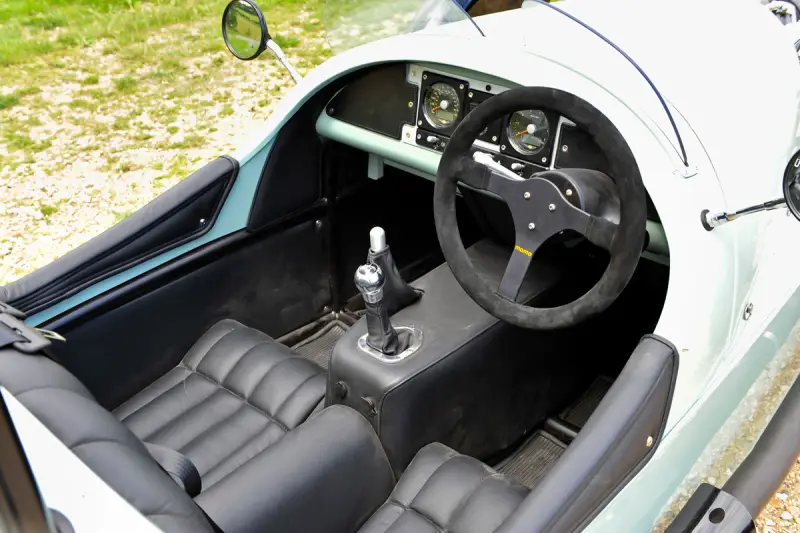
Body and cockpit: Aluminium panels can corrode around steel mountings. Check front mudguards and exhaust brackets for rust or vibration damage; Brooklands fishtail exhausts are particularly prone to cracks at their mountings. Inspect the exposed cockpit for water damage and faded leather, carpets or fittings. Confirm whether a tonneau cover is included and that the quick-release steering wheel locks securely.
Check tyre dates as well as tread, since low-mileage cars may still be wearing old rubber. Rear-wheel removal is awkward, and the belt needs careful realignment afterwards, so ask for evidence of recent tyre work.
Prices and value
Values have eased from earlier highs. A usable early car sits around £20,000–25,000, while a well-maintained, upgraded example is typically £27,000–32,000. Good post-2014 cars generally ask £30,000–35,000; later Euro 4 models and low-mileage special editions can reach £35,000–40,000. Rare P101 cars may exceed that range. Treat cars needing major chassis or drivetrain work cautiously, since repairs can quickly outweigh an apparently low asking price.
| Model years | Fair | Good | Excellent |
|---|---|---|---|
| 2012–2013 | £21,000 | £27,000 | £34,000 |
| 2014–2016 | £23,000 | £29,000 | £36,000 |
| 2017–2021 | £25,000 | £31,000 | £39,000 |
The strongest purchase case rests on condition, specialist history and proof of the important revisions. With those in hand, the 3 Wheeler’s eccentric layout can be enjoyed with fewer surprises attached.