Lotus Elise S1 Buying Guide: Specs, Common Problems and Values
Electric Vehicles Matthew Hayward 534 reads
The Elise S1’s light chassis still defines its appeal, but corrosion, cooling and maintenance history matter more than engine trim.
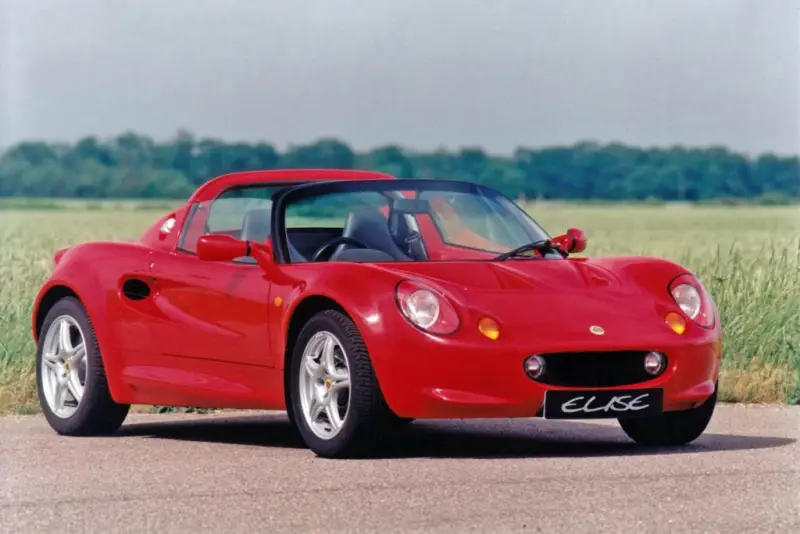
The Series 1 Lotus Elise makes its strongest case through its structure and condition. Its bonded aluminium chassis weighs around 70kg, and the complete car weighs roughly 725kg. That low mass, paired with unassisted steering and no ABS or electronic driver aids, gives the S1 a directness that remains central to its appeal. For buyers, it also means a clean chassis and sound maintenance record matter more than chasing the rarest badge.
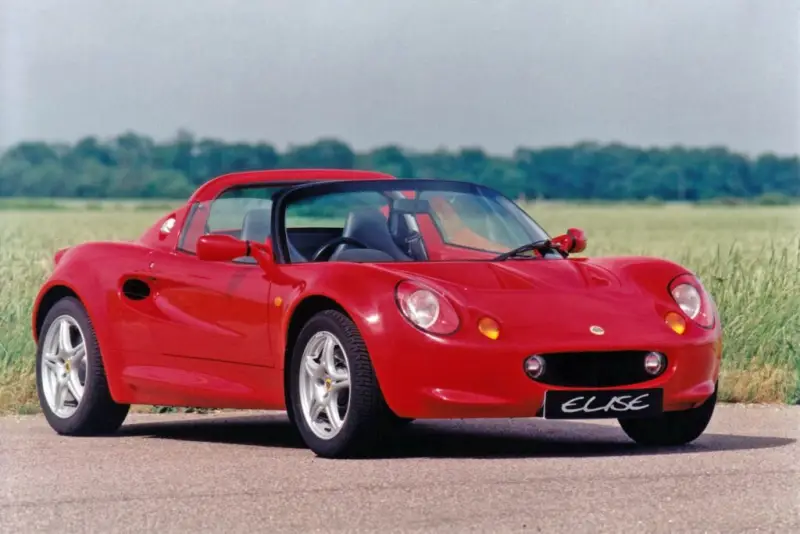
Unveiled at the 1995 Frankfurt Motor Show, the Elise went on sale in 1996 for £18,950. It was designed as a return to Colin Chapman’s emphasis on lightness and simplicity after Lotus’s later road cars had moved away from those principles. The name came from Elisa Artioli, granddaughter of then chairman Romano Artioli. Production ran from 1996 to 2001 for the S1, with around 10,600 built. The Elise line continued until 2021, reaching 35,124 cars across its production life.
What the S1 offers
The standard Elise uses a mid-mounted 1.8-litre Rover K-series four-cylinder engine rated at 118bhp and 122lb ft, driving the rear wheels through a five-speed manual gearbox. Lotus quoted 0-60mph in 5.5 seconds and a top speed of 124mph. The engine’s fixed valve timing gives it useful flexibility on the road, and the modest power output feels well matched to the car’s low weight.
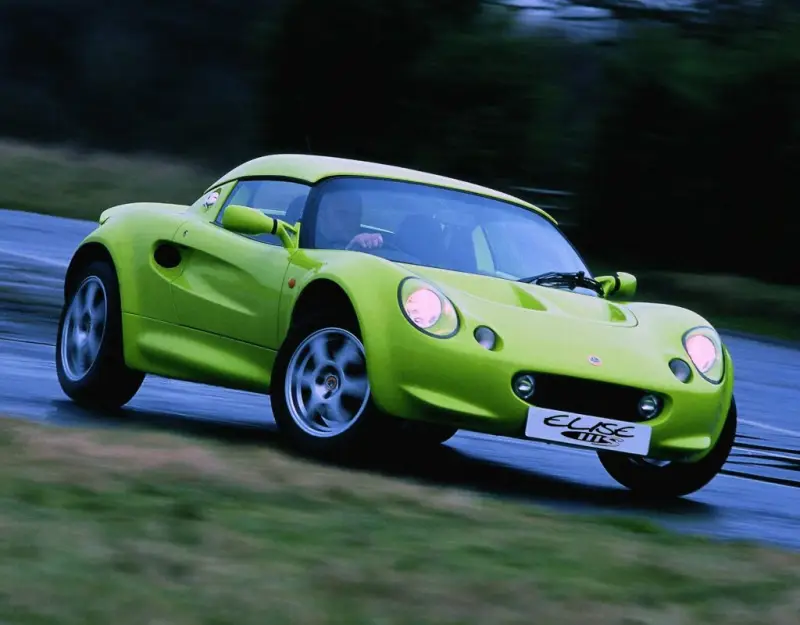
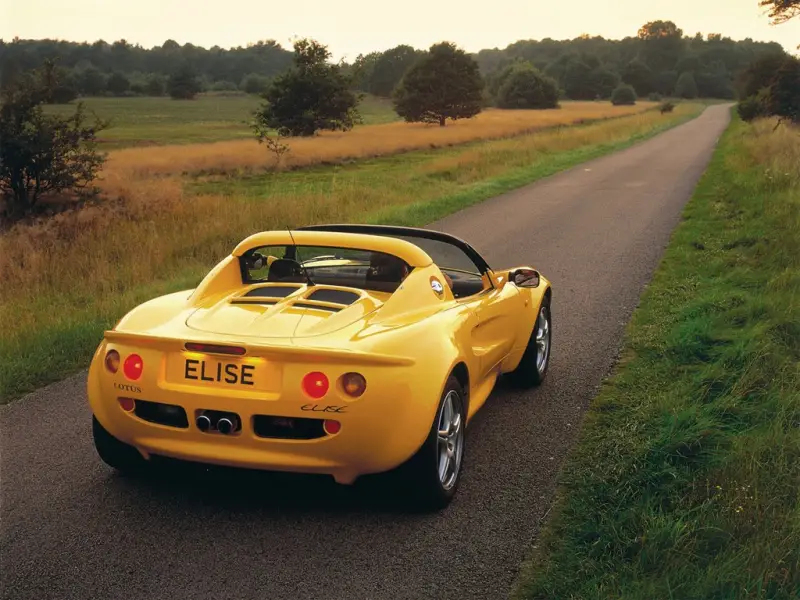
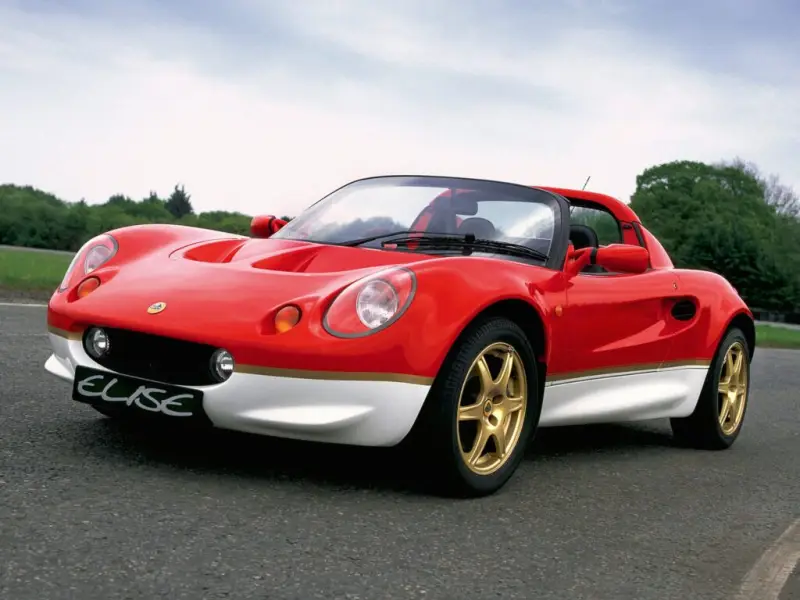
The 111S adds a 143bhp variable valve control (VVC) engine, close-ratio gearbox, six-spoke wheels and wider rear tyres. It revs more eagerly than the standard car, though it gives up some low-speed ease. The Sport 135 uses a 135bhp engine, close-ratio transmission, sports exhaust and drilled iron brake discs. The Sport 160 arrived in February 2000 with 158bhp, sports suspension, five-spoke “race” wheels and a rear aerofoil. Its sharper engine setup makes it the most sought-after road-going S1, but also the least relaxed in traffic.
Lotus also produced the track-focused Sport 190, the 340R and the fixed-roof Exige from mid-2000. These sit alongside the Elise in the S1 family, though the standard roadster, 111S and Sport 160 are the main choices for most buyers considering an S1.
Development and model changes
Lotus began work on the lightweight roadster in 1994, while the company was owned by Romano Artioli. Julian Thomson led the styling and Richard Rackham the engineering. By the time production started at Hethel in 1996, Lotus had been sold to Proton. The company expected to sell about 800 cars annually, but more than 1,300 orders were in hand before the first customer delivery in August 1996. Some 2,500 cars had been built by the end of that year.
Early cars came with aluminium metal-matrix-composite (MMC) brake discs. Lotus switched to cast iron from around chassis 3714 in June 1998. The factory revised the soft-top cant rails at chassis 3332 the previous month, enabling fitment of its hardtop. Later in 1998, an integrated boot box replaced the original luggage bag. Forged steel rear hub carriers superseded the earlier extruded aluminium parts in late 1999.
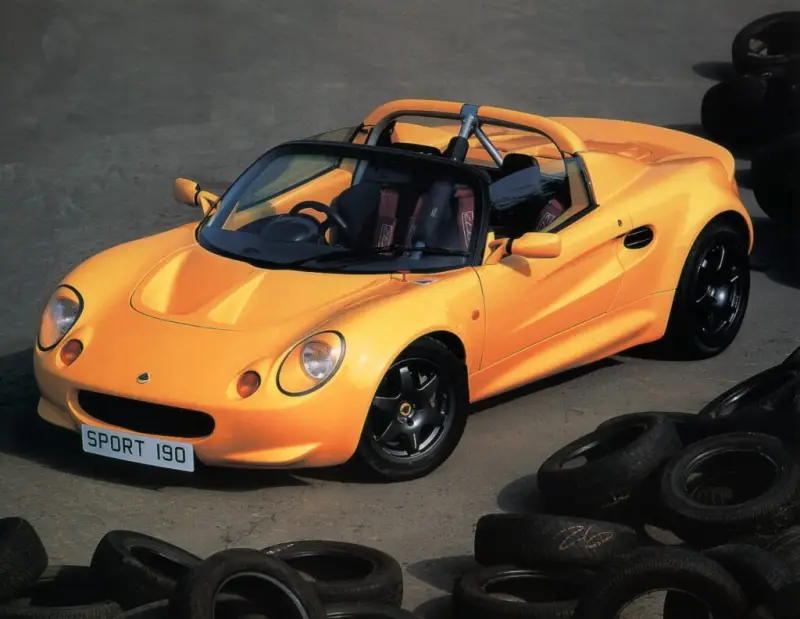
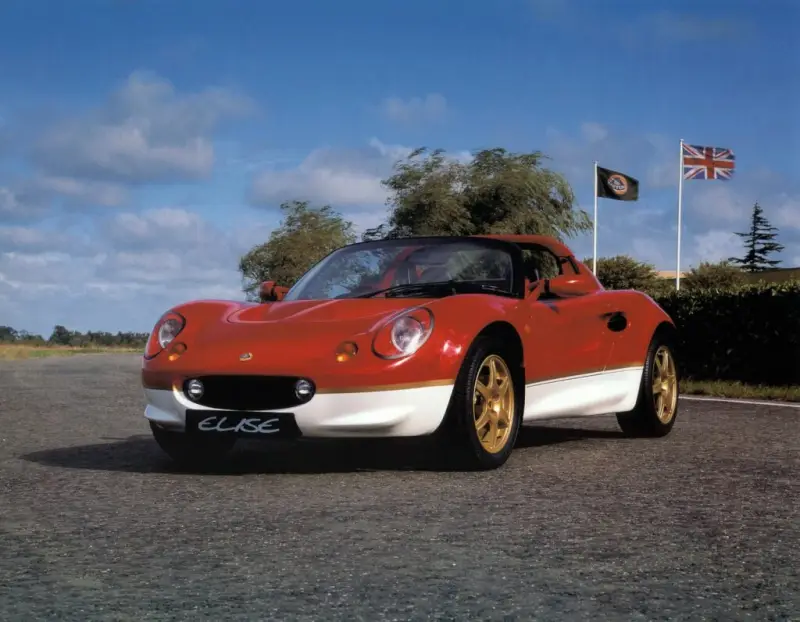
The Sport 135 appeared in November 1998 as an initial run of 50 Quicksilver cars, followed by 35 more in 1999. The 111S arrived in January 1999. That year also brought special editions including the 50th Anniversary, JPS, Type 49 and Millennium cars.
Sport 160 production began in February 2000. Its first 50 examples were built under Single Vehicle Approval; later Type Approved cars required an airbox modification and sports exhaust to achieve full power. As a result, specifications vary between cars, and total production is generally estimated at a little over 300. The restyled Series 2 followed in late 2000 as a 2001 model, initially retaining Rover engines.
Choosing an Elise S1
The standard 118bhp car is the strongest value for buyers who want the core Elise experience. The 111S suits drivers who favour a harder top end and closer ratios, while the Sport 160 offers greater performance and collector appeal at a higher price. Early cars with original MMC brakes can attract enthusiasts, but a properly completed conversion to iron discs is sensible for regular road use.
Condition outweighs mileage. A low-mileage car may still have its original cooling parts, bushes, brake pipes and seals after decades of storage. A higher-mileage example that has had preventive work can be the safer proposition mechanically. For instance, an 80,000-mile car with a clean chassis, renewed suspension, an aluminium radiator, documented head-gasket work and a braided clutch hose may represent better value than a 15,000-mile car still relying on neglected original components.
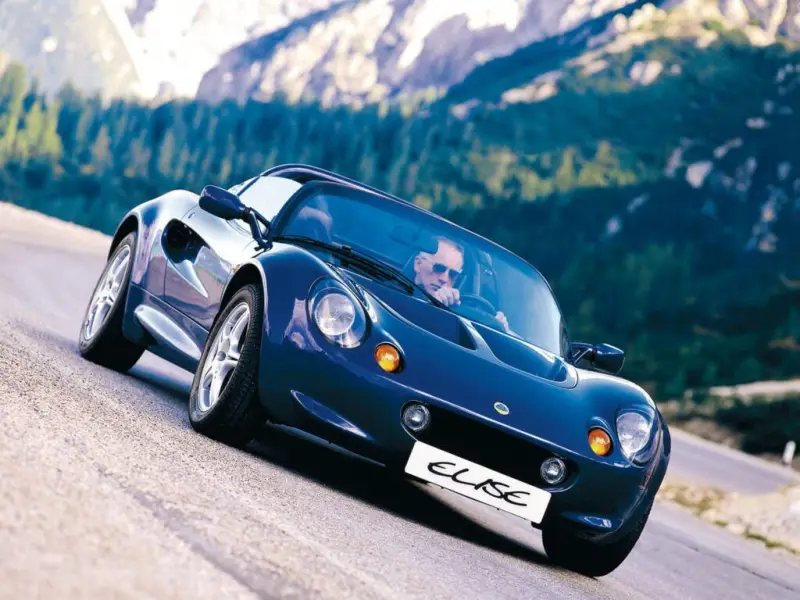
Many S1s have modifications, and several common upgrades address known weaknesses. Bilstein or Nitron dampers, uprated toe links, braided hoses, an all-aluminium radiator, an improved head gasket and the later aluminium throttle body can all be positives when fitted and set up correctly. Take extra care with engine conversions, major power increases and extreme lowering: suspension geometry has a strong effect on how the Elise behaves. Original wheels, seats, exhaust and MMC brakes can help preserve a car’s appeal to collectors.
Chassis, body and corrosion checks
The aluminium tub does not rust like steel, but corrosion can develop where steel components meet it. Steel inserts for the suspension pick-ups are bonded into the structure; as their protective coating deteriorates, moisture and road salt can attack the surrounding aluminium. Check every mounting, with particular attention to the front upper wishbone pick-ups. White oxide, swelling, cracks or lifting around an insert need investigation.

Because heat damages the chassis adhesive, the tub cannot be repaired through ordinary welding. Specialist bonded and riveted repairs are possible, but any structural work should be documented. A ramp inspection by someone familiar with the Elise is strongly advisable. Fibreglass clamshells can also hide impact damage, so check wheel alignment, tyre wear and panel gaps. Look for distorted aluminium, non-original bonding and repairs around the front crash structure; a documented replacement clamshell is less concerning than unexplained chassis work.
Moisture trapped under the factory-bonded rubber footwell mats can cause oxidation, pitting and eventually holes in the aluminium floor. Lift the mats and look for bubbles, lumps or white powder. The floor skin is not part of the primary load-bearing structure, but damage still needs to be accounted for and can indicate the car has been stored wet.
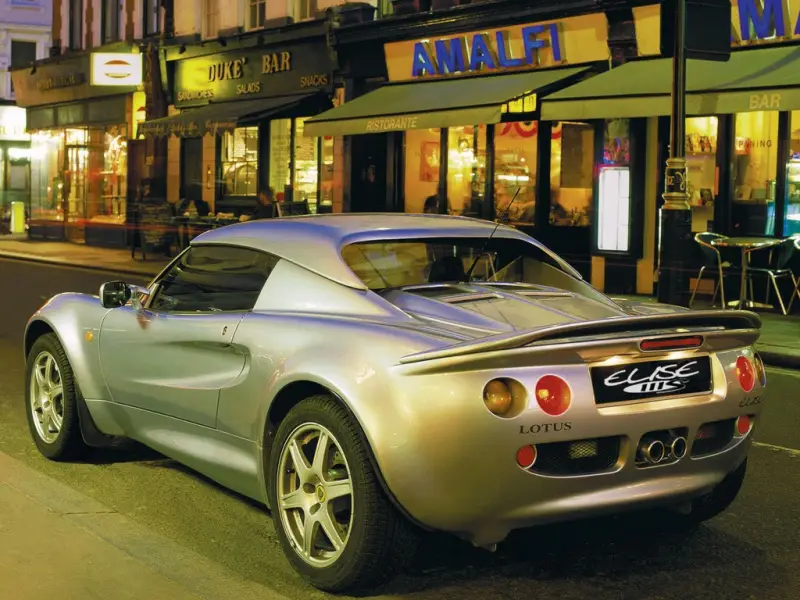
The steel rear subframe is galvanised but can corrode, especially where it joins the aluminium chassis. Inspect the anti-roll-bar stays and brackets too. Replacing the subframe is a substantial job because it supports the engine and rear suspension. On the body, look for cracks, crazing, mismatched paint and poor panel fit. The thin windscreen is bonded into a composite surround, and replacement may require loosening the front clamshell, so check for cracks and damage at the glass edges.
Engine, cooling and transmission
Head-gasket failure is a familiar K-series concern. Later repairs often use a multi-layer steel gasket and steel locating dowels, with a strengthened oil rail where appropriate. Ask who completed the repair and what was measured: cylinder-liner protrusion should be even and between 0.002 and 0.004 inches. A replacement gasket by itself does not establish that the underlying work was done correctly.
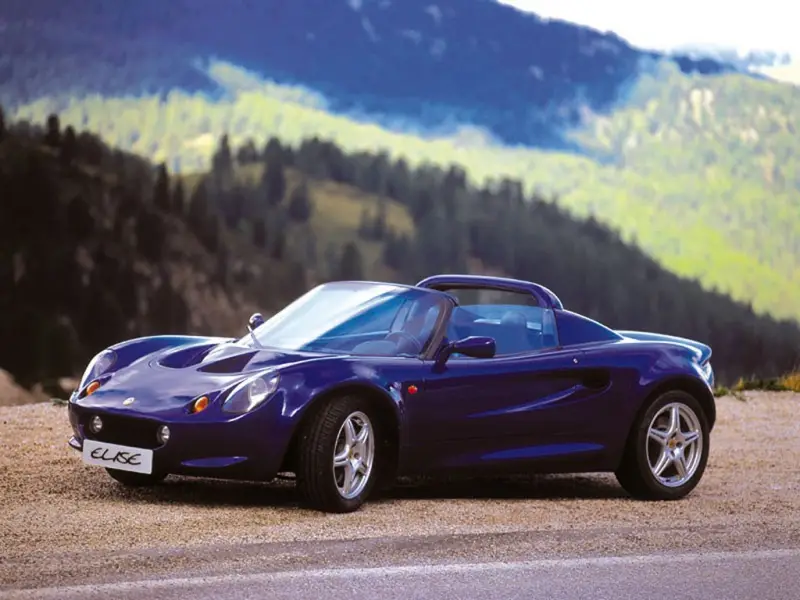
Check the expansion tank from cold for oil contamination, low coolant or excess pressure. Persistent coolant loss, white smoke once warm, or residue under the oil cap calls for proper diagnosis. On a long drive, the temperature should usually remain in the high 80s Celsius and rise towards 100°C before the fan cuts in. A reading that stays unusually low may point to a failing thermostat.
The front-mounted radiator connects to the engine through long coolant pipes inside the chassis rails. Original units have plastic end tanks that become brittle and leak, so an all-aluminium replacement is a desirable update. Check the fan, hoses, clips and signs of air in the cooling system. Cambelt records matter too: period guidance specified replacement at around 54,000 miles or every four to five years, and specialists often use shorter intervals based on age. The 111S also has a short rear belt for its VVC mechanism.
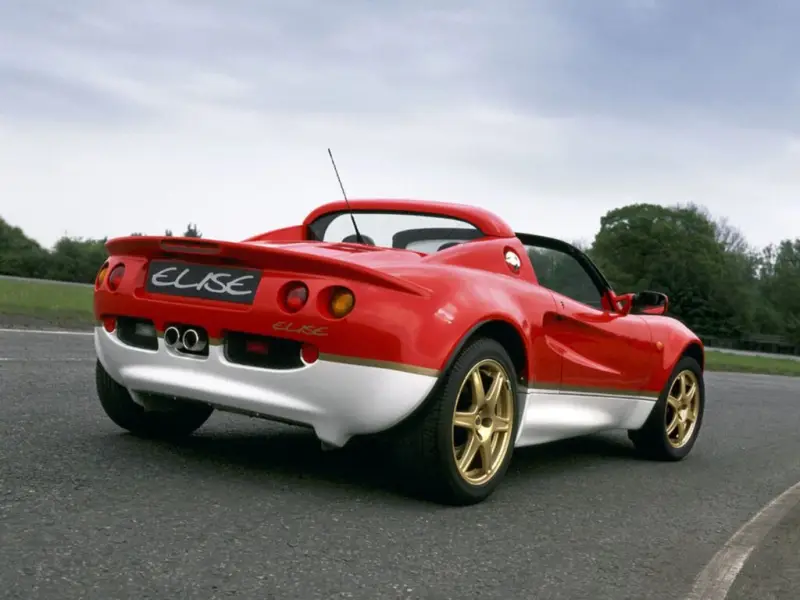
The VVC system is generally durable, but the 111S should pull cleanly to high revs without abnormal noise from the top end. Over-revving can damage the liners, and excessive exhaust smoke is a warning sign. Sport 160 engines have their own running characteristics: early GEMS-managed cars can stall when cold and behave poorly at low speeds, while later EFI examples tend to be smoother. An idle around 1,100-1,200rpm is normal for the Sport 160.
The original plastic throttle body can distort with heat, producing a warm idle near 2,000rpm; the later aluminium part is the accepted fix. The five-speed gearbox is generally strong, though its cable-operated change is not especially precise. A vague shift often means worn cables or linkage bushes, which are straightforward repairs. Crunching into second or third points towards worn synchromesh and gearbox removal. Early cars’ red plastic clutch hose can soften beside a hot coolant pipe, making gear selection increasingly difficult as the car warms. A braided replacement hose resolves the issue.
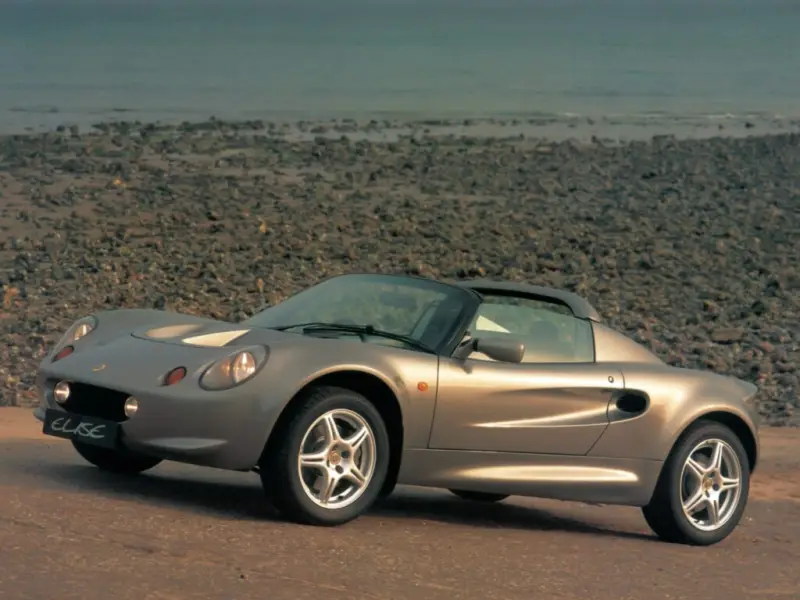
Running gear, brakes and cabin
Inspect the steel wishbones for rust and ask whether the suspension has been refurbished. A good car should feel precise, with no clunks or wandering. A documented refresh with new bushes, ball joints and dampers, followed by a proper geometry setup, is valuable. Rear toe links deserve close attention because wear can make the car unstable. Lotus recalled around 3,780 cars built between June 1996 and June 1998 over a bolt that could loosen where the toe link meets the hub carrier. Confirm the work was completed; uprated links are a welcome addition.
There should be no free play in the unassisted steering. Worn racks are more likely when split gaiters have allowed dirt and water inside. A 2001 recall covered 338 cars with incorrectly heat-treated rack bars. Lowered cars also need the rack height corrected to control bump steer. Original Koni dampers have often been replaced by Bilstein-based or Nitron setups; the key is that the four dampers work together and the ride height and geometry are right.
Early cars, up to around chassis 3714, left the factory with MMC discs. They can squeal, work poorly when wet and suffer surface damage after overheating on track. Correct pads are increasingly difficult to source, which is why many cars have iron discs instead. Establish which system is fitted. The rear hard brake pipes can corrode beneath the shear panel, and proper replacement may require fuel-tank removal, so fresh pads and discs do not tell the whole story.
The steel fuel tank can corrode around its lower corners and filler area. Evidence of removal and refurbishment is reassuring, particularly if the concealed brake pipes were replaced at the same time. Recalls addressed fuel-line connectors in 1999 and a filler breather hose that could tear in 2001. Any petrol smell needs investigation.
Check that the soft top is complete and undamaged; some water ingress is not unusual. Earlier cars need modifications to accept the factory hardtop, so confirm that any supplied roof actually fits. Early door retaining plates can break, while manual window mechanisms may stiffen or detach from the glass. Run both windows through their full travel. Inside, erratic fuel and temperature readings together can indicate failure of the Stack instrument pack’s voltage regulator. Since the Stack records mileage, keep any replacement documentation. Test every alarm and immobiliser fob, and operate the bonnet, engine-cover and boot releases repeatedly; the boot cable can corrode and snap with the lid shut.
Lotus Elise S1 values
Values have varied with condition, mileage and history. The Hagerty Price Guide held a range of £10,800-£24,800 from 2017, while recent market indications put tired, high-mileage standard cars below £10,000. Sound, documented standard cars with 50,000-60,000 miles typically sell for £14,000-£16,000; the best low-mileage examples can reach £19,000-£25,000.
The 111S carries a modest premium. Good Sport 160s are commonly advertised at £27,500-£32,000, although the 2026 condition guide places fair, good and excellent examples at £18,000, £24,000 and £30,000 respectively. The corresponding guide figures are £8,000, £14,000 and £21,000 for a standard 118bhp Elise, and £11,000, £16,000 and £22,000 for a 111S. Special editions such as the Type 49 carry an uplift of around 10% according to Hagerty; early MMC-braked cars and the Sport 135 also attract collector interest.
The S1’s appeal rests on a rare combination of low mass, direct controls and usable road performance. A buyer choosing between trims should first establish the condition of the bonded chassis, cooling system and suspension, then weigh specification against history. With the S1 entering its fourth decade, a well-maintained car has a strong case; structural trouble can make even a low asking price poor value.