Lancia Beta Montecarlo Buying Guide: Rust Checks, Versions and Values
Electric Vehicles Matthew Hayward 357 reads
The mid-engined Montecarlo pairs Pininfarina design with a 120bhp Fiat twin-cam. Here’s what to check, how the versions differ and what examples cost.
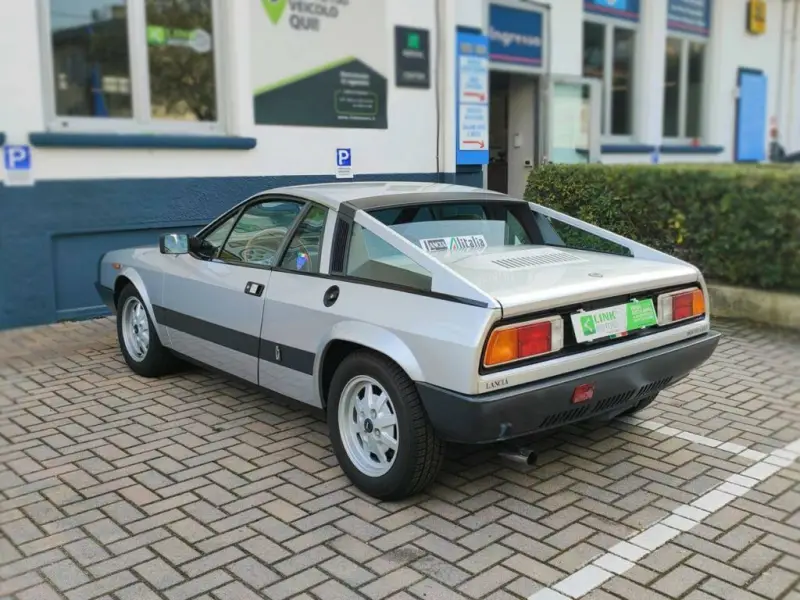
The Lancia Beta Montecarlo makes most sense as a compact, mid-engined sports car with distinctive Pininfarina styling and straightforward mechanical roots. A sound example can be entertaining without being especially costly to run, but structural rust changes the calculation: inspect the shell carefully before weighing up the price.
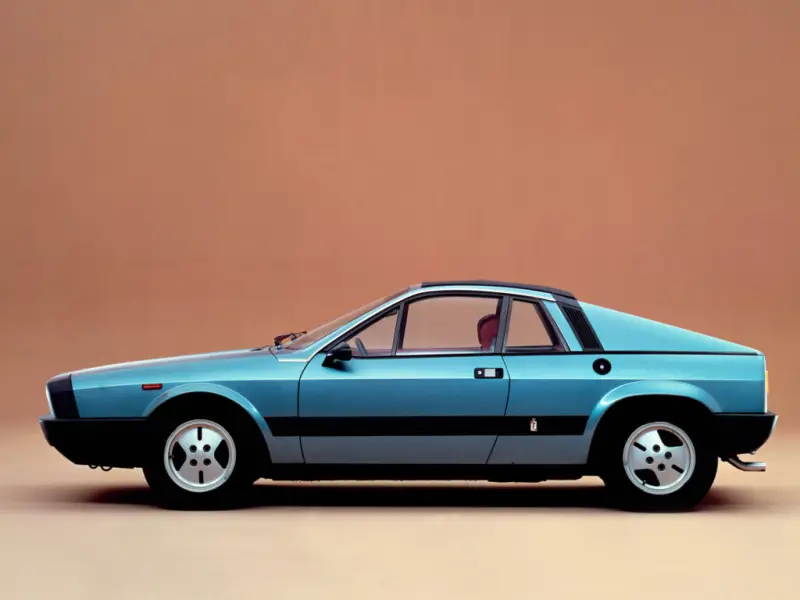
Pininfarina designed, engineered and built the car. Its origins were less distinctly Lancia: it began as the Fiat X1/20, a proposed larger relation to the Lancia X1/9, planned with a 3.0-litre V6. The 1970s fuel crisis ended that engine plan. Production versions arrived in 1975 as part of the Beta family, although they shared little with the other Beta models.
Two series, one familiar engine
The first cars came as a coupé or Spider, with a folding fabric targa roof. Both used a 1995cc Fiat twin-cam four-cylinder producing 120bhp. With a quoted weight of 1040kg, the Montecarlo’s appeal rests on its modest mass, rear-wheel drive and mid-engine layout rather than a long list of powertrain options. A five-speed manual was fitted throughout.
Early driving reports praised the car’s character but criticised an over-sensitive brake servo working with the front discs. Series 1 production ran from 1975 to 1978; right-hand-drive examples first appeared in 1977. Production then paused before the Series 2 arrived in 1980. Larger front discs and calipers addressed the braking complaint, and the servo was removed. Other revisions included larger wheels and glazed rear buttresses, though UK cars often already had the glazing. The later cars also dropped “Beta” from the name.
There is one notable engine exception. The US-market Scorpion, sold in 1976 and 1977, was a Spider with a lower-powered 1.8-litre engine. Its lights and bumpers differed from those on European Montecarlos, making it visually distinct as well as less powerful.
The Montecarlo also has a close connection to Lancia’s Group B 037 rally car. The 037 shared the Spider’s central structure, adding substantial tubular spaceframe sections at the front and rear. That relationship helps explain the Montecarlo’s place in Lancia history, but a road car and a rally car are very different propositions; replicas based on Montecarlos exist, so buyers should establish exactly what they are viewing.
Rust deserves the closest inspection
Age and corrosion are the main buying risks. The Montecarlo has a reputation for rust, though it is not generally considered substantially worse than many cars from the same era. Survival alone doesn’t guarantee a healthy shell, and a neglected restoration can quickly outweigh the appeal of a low asking price.
Start with the firewall, wheel wells, floorpan and rear crossmember. Examine the front suspension turrets closely: bubbling here can conceal serious corrosion. Check the door-hinge box sections low down, where trapped dirt can encourage rust, then inspect both inner and outer wheelarches for corrosion and evidence of earlier repairs.
Repair panels can be difficult to find, and even bolt-on panels may be costly. That makes the quality and extent of previous bodywork particularly important. A well-documented repair is useful context, but it should not replace a close inspection of the repaired areas and adjacent structure. If the shell needs substantial work, factor in the scarcity of parts before treating a project as a bargain.
Mechanical checks and ownership
The Fiat twin-cam has strong parts support, and some cars have been lightly tuned with twin carburettors. The Montecarlo installation has its own details, including unique mounting points, so don’t assume every engine-related part is interchangeable simply because the basic engine is familiar.
A vague gear change may have a simple cause: one of the six linkage bushes may need replacement, and the bushes are inexpensive. It’s still sensible to check the linkage rather than assume that a poor shift is harmless. The specification also makes the cambelt history, cooling system and electrical condition worthwhile parts of a pre-purchase check. Original trim can be hard to find, so note what is missing or damaged before agreeing a price.
For regular use, the biggest practical divide is condition. The car is compact and light, and a sound example is described as neither difficult nor expensive to run. Those advantages depend on starting with a car that doesn’t need major restoration. A solid, maintained example is likely to be a better ownership proposition than a cheaper car with hidden structural work ahead.
Prices and the better buy
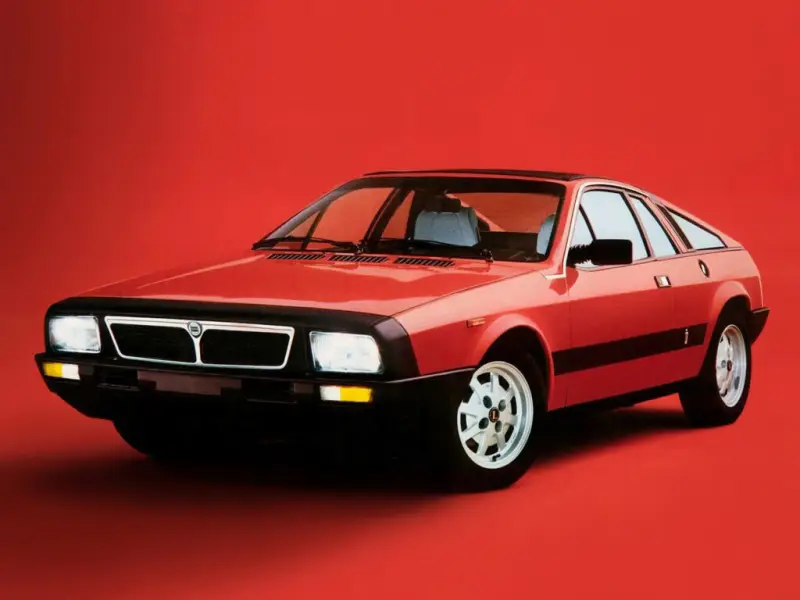
Project cars with potential start at about £5,000. Presentable, solid cars are nearer £10,000, while around £15,000 can buy a very tidy example. The best cars, particularly concours-standard examples, can command £20,000 to £30,000, especially in Europe. Condition and evidence of maintenance matter more than a simple Series 1 versus Series 2 distinction.
Original, well-preserved Series 1 Spiders and exceptional Series 2 cars have particular collector appeal. For a buyer focused on use and value, a solid Series 2 coupé with documented restoration and maintenance may be the more convincing choice. Whichever version you prefer, let the condition of the structure set the terms: a careful inspection is central to buying a Montecarlo that delivers its light, engaging character without inheriting an expensive restoration.