India’s Sub-4-Metre SUV Lineup: Nine Models Expected in 2027 or Early 2028
Electric Vehicles Akshay Kulkarni 534 reads
A new Mahindra, an electric Hyundai and updates from Tata, Maruti and others could reshape India’s crowded small SUV segment.
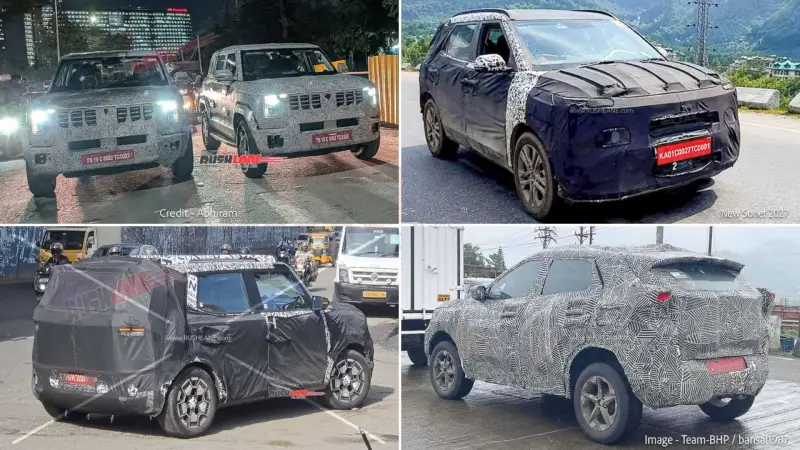
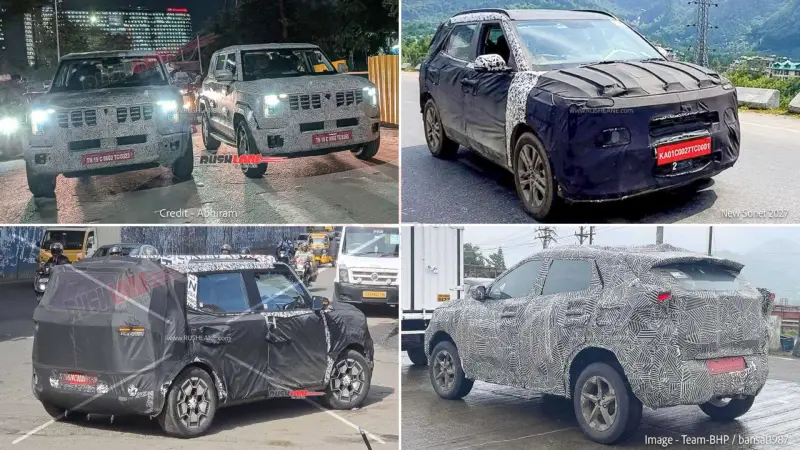
India’s sub-4-metre SUV segment is set for a busy round of launches and updates, with vehicles from established players and newer entrants expected in 2027 or, in some cases, early 2028. The mix matters: it ranges from facelifts to a new generation of a major seller, a potential electric Hyundai and fresh nameplates from Mahindra, Honda and Renault. There are no prices, range figures or firm launch dates yet, so the clearest signals are the models’ expected positioning and the changes under development.

For buyers, the distinction between a new model and a refresh will be worth watching. A facelift can add equipment while keeping a familiar vehicle underneath; a next-generation SUV may bring more substantial changes to its structure, cabin and proportions. The current information points to both kinds of update, with much still unconfirmed across the field.
New models and a major Tata change
Mahindra Vision S
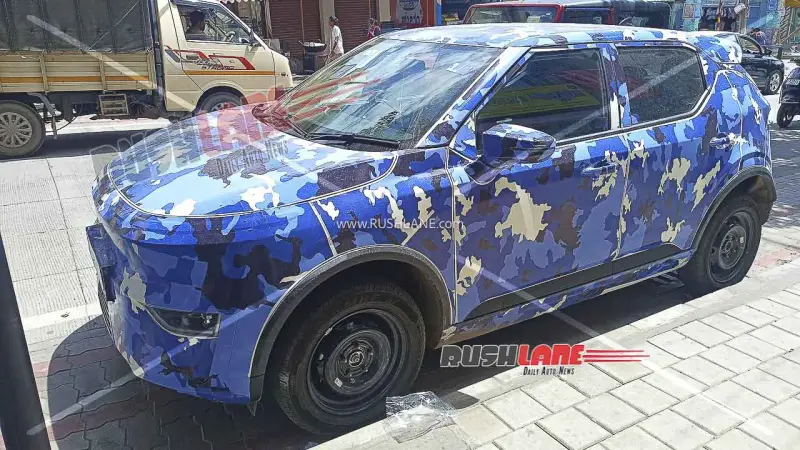
Mahindra’s upcoming sub-4-metre SUV, currently known as Vision S, is expected to pair a rugged, upright look with a monocoque platform. It is based on the NU_IQ architecture and is described as a technology-rich vehicle that will introduce a new cabin design for the brand in this size class. Scorpio S and Scorpio Sport have been suggested as possible names, but neither is established here as the production name.
The powertrain possibilities are particularly broad. The vehicle could be developed as a multi-energy model, with petrol, diesel and electric versions under consideration. Those are possibilities rather than confirmed specifications: there are no details on output, battery size, range or timing beyond the expected 2027 period. If Mahindra follows through, the Vision S could give buyers a choice of powertrains within one small SUV line.
Tata Nexon next generation
Tata Motors is preparing a new-generation Nexon, following the Punch’s facelift earlier in the year. The upcoming Nexon is expected to change its basic silhouette and structure, making this a broader redesign than a routine equipment update. More rear headroom is among the anticipated practical gains, while the cabin could take cues from the newer Tiago and Aeris.
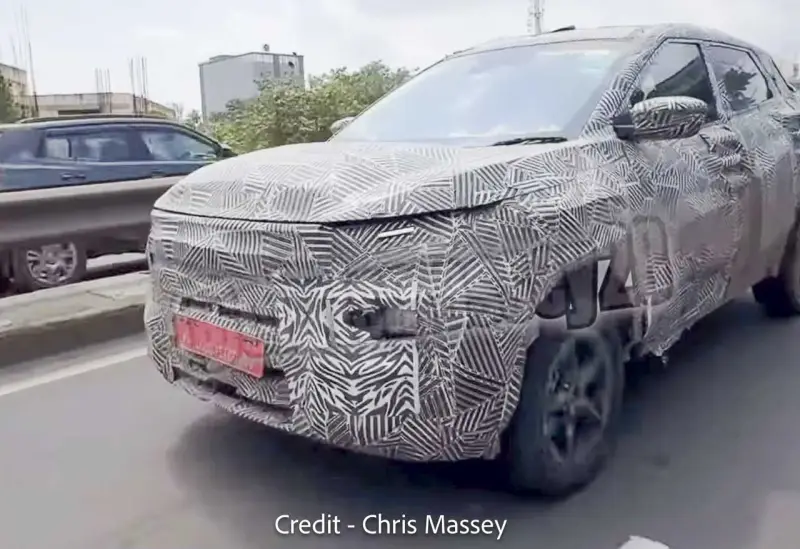
The current Nexon and Punch give Tata a strong presence in this segment, but no specifications for the next Nexon have been provided. Buyers will need details on dimensions, engines, efficiency and equipment before judging how the new model stacks up against the next wave of rivals. The expected launch is in 2027.
Updates to familiar nameplates
Maruti Fronx facelift and Toyota Taisor facelift
Maruti Suzuki is testing a Fronx facelift. The expected changes are concentrated at the front, with a modest equipment expansion also possible. Level 2 driver assistance features, blind-spot alerts and ventilated seats are among the potential additions. These items remain expectations, not confirmed equipment, and no powertrain changes are described.
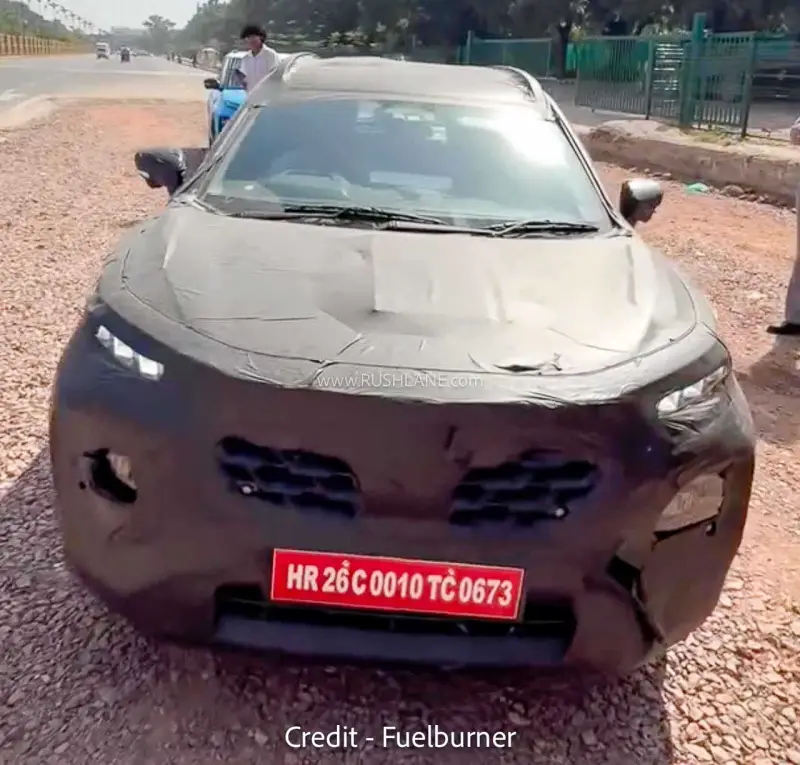
Toyota’s Urban Cruiser Taisor, which shares its basic lineage with the Fronx, is expected to receive a similar update after the Maruti model. The possible additions include the same driver assistance features, blind-spot alerts and ventilated seats. That shared approach would let Toyota refresh its offering without a wholly separate redesign, though the timing and final equipment list are not yet available.
Kia Sonet next generation
The Sonet received a facelift in 2024 and is now undergoing testing in preparation for its next generation. Expected changes include new exterior styling, an updated structure and safety equipment, more advanced driver assistance features, larger screens and additional cabin equipment. The direction suggests a more extensive renewal than another small styling revision.
Those upgrades could keep the Sonet competitive as other brands add screens and driver assistance technology to compact SUVs. There are no confirmed details on its engines, launch date or the specific features that will reach production. For now, the increase in testing activity is the clearest sign of the next model’s progress.
Electric entries and new challengers
Hyundai Ioniq P
Hyundai is developing a fully electric sub-4-metre SUV that is separate from the Venue and Exter. It is expected to have its own design identity, distinct from the brand’s current Indian lineup, and is speculated to carry the Ioniq P name. Testing is underway, with a launch possible in 2027.
No battery capacity, driving range, charging speed or price has been disclosed. Those details will determine how useful the vehicle is for daily commuting and longer trips, and how it compares with other electric SUVs in the class. At this stage, its identity as a new, fully electric Hyundai is the key point; the ownership case will depend on specifications still to come.
Honda sub-4-metre SUV
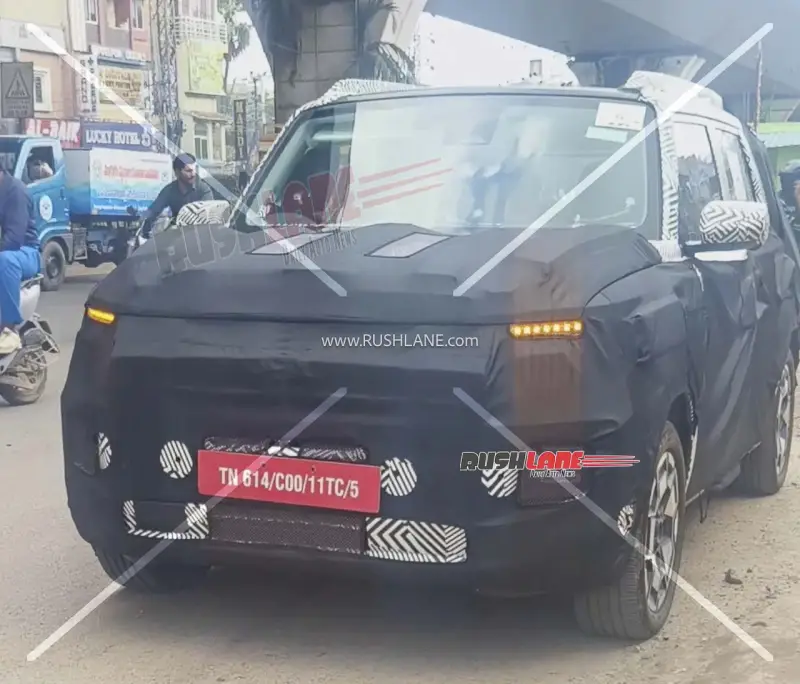
Honda has confirmed that it is working on a sub-4-metre SUV for India, broadening a lineup that currently lacks an entry in this size class. No test vehicles have been spotted in India so far, and the model’s name, powertrain and expected arrival remain unknown. A local SUV could give Honda a new route into a high-volume segment, but the available information does not yet indicate how it will differ from established rivals.
Renault Bridger
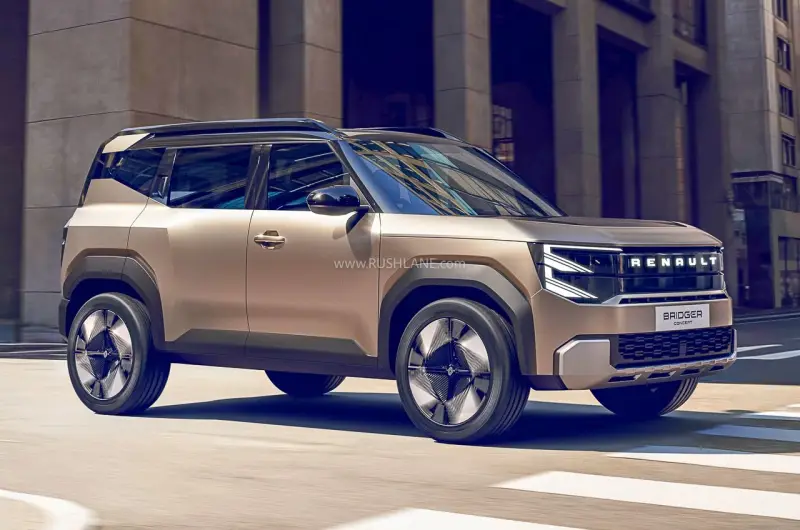
Renault has announced the Bridger for India, drawing on a concept of the same name. It will sit above the Kiger in the brand’s lineup and use the RGMP platform, also used by the Duster. Renault is targeting a more traditionally rugged SUV appearance. Price, engines and launch timing have not been specified, leaving its eventual positioning within the segment open.
Volkswagen sub-4-metre SUV
A small Volkswagen SUV is being considered for India, using the MQB A0 IN platform found under the Virtus and Taigun. A version related to the Skoda Kylaq is one possibility; a vehicle resembling the Volkswagen Tera sold in other markets is another. Neither route has been confirmed, and there is no information on its name, equipment or powertrain.
VinFast VF 5
VinFast is expanding its planned model range, and a VF 5 is among the vehicles expected for India. A revised version has been seen testing in the country. It could be tailored for India or could represent the VF 5’s second generation. The new version is expected to bring revised exterior styling and a completely new interior, with a 2027 launch possible.
The next useful milestones will be production-ready details: confirmed powertrains, cabin equipment, prices and delivery timing. Until then, this incoming group looks set to broaden the choice between familiar petrol-powered SUVs, feature updates and new electric options, while the practical differences between them remain to be established.