Renault 16 Review: The Practical Hatchback That Put Comfort First
Electric Vehicles Glen Waddington 314 reads
The Renault 16 paired a flexible hatchback cabin with a supple ride, then gained sharper performance and executive comforts in TX form.
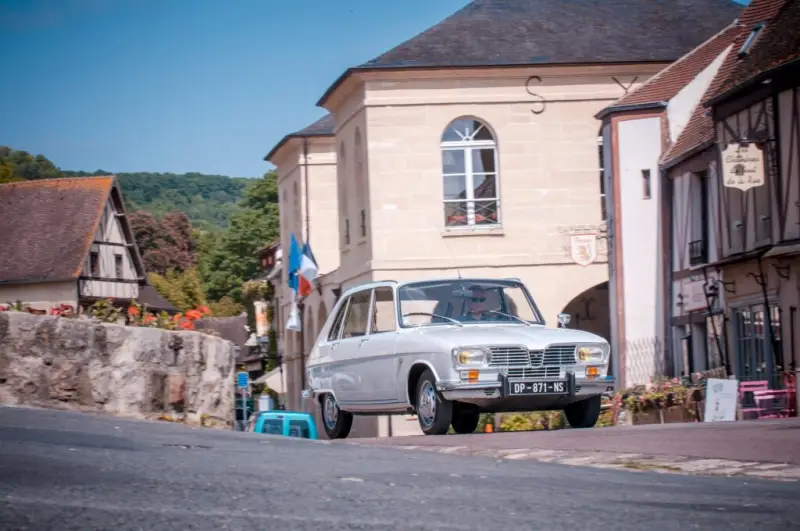
The Renault 16 made practicality feel like a considered part of the car, rather than a concession. Its roomy cabin, adaptable rear seating and comfort-focused suspension gave it a distinct role among the European family cars of its era. Today, that combination still explains why it draws friendly gestures on country roads west of Paris.
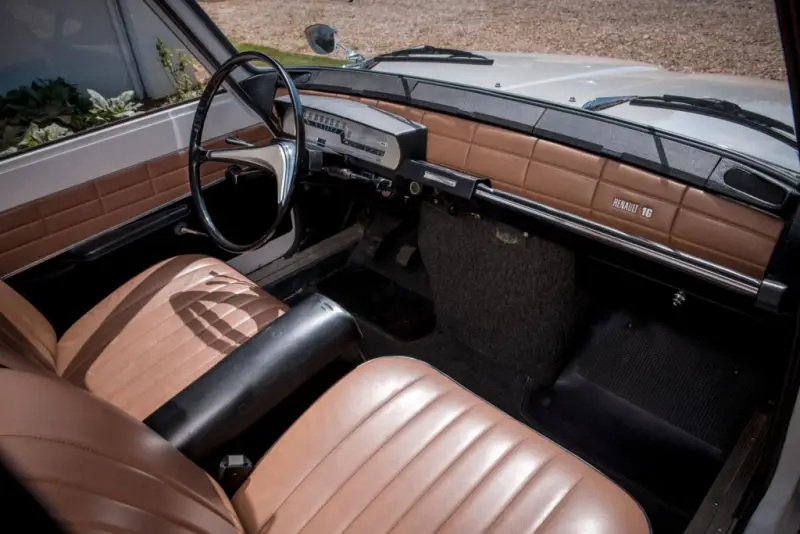
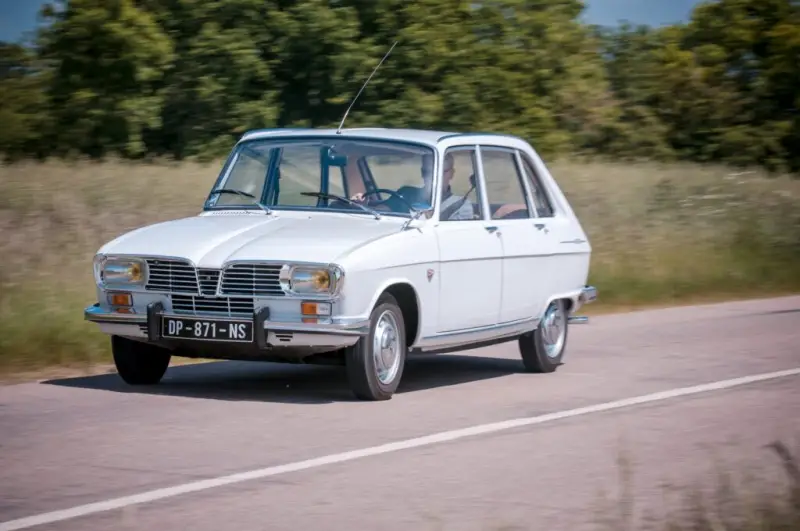
The 1966 R16 Super feels like a junior luxury car, though its cabin avoids the polished wood and leather associated with traditional prestige models. Painted metal is visible across the interior, and the broad, cushioned seats wear leatherette. The appeal lies in space, comfort and the ability to adapt the interior to different jobs.
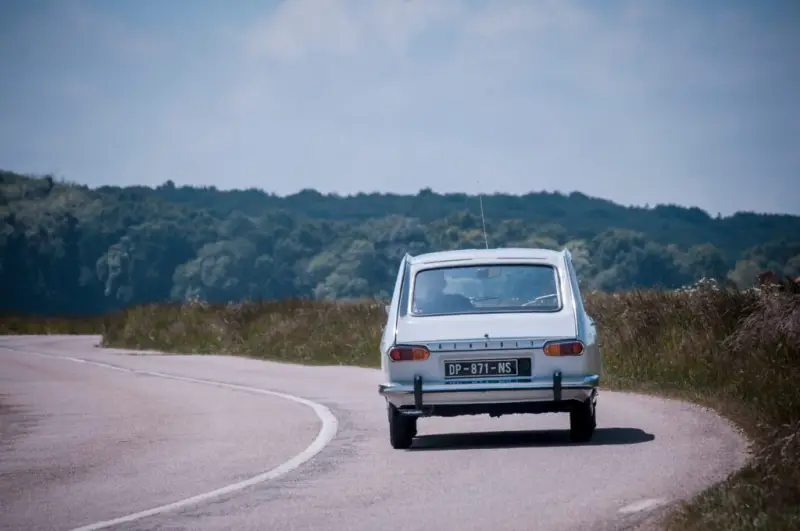
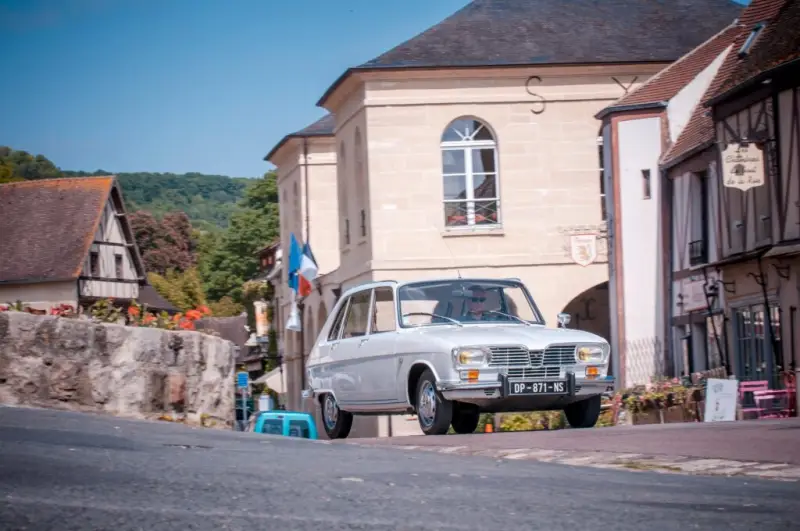
On rural roads near La Roche-Guyon, the Super’s long-travel, all-independent suspension rounds off rough surfaces with little harshness. The body moves more than a modern car’s, but the response is predictable. There’s some roll through corners, yet the steering is precise enough to place the Renault easily. It’s a relaxed car for passengers as much as for the person behind the wheel.
Comfort as a design principle
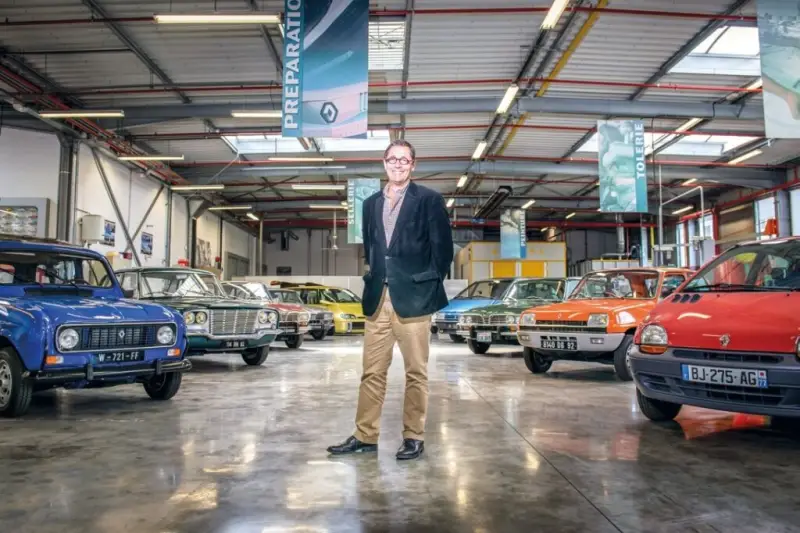
That passenger-first approach ran through Renault’s earlier models, according to Hugues Portron, who leads the company’s heritage team at Flins. Renault’s collection spans cars from a 1902 Type G to more recent concepts. Portron points to the Type G as the company’s first four-seater and the 1924 Type NN as its first with a hardtop roof covering everyone inside and a rear passenger door. Making everyday travel easier, he says, has long been part of Renault’s thinking.
The 1961 Renault 4 brought that thinking into a particularly useful format. Renault described its top-hinged tailgate as a porte de service. The company saw drivers using one car for weekday work and weekend trips to the countryside, and the R4 was built around that flexibility. Its unusual shape took time to win acceptance: some buyers thought it resembled a commercial vehicle.
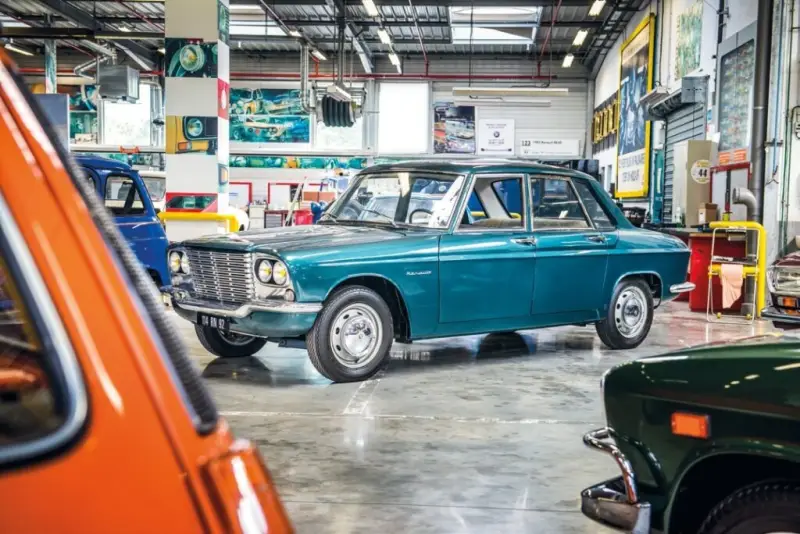
The R16 carried the idea into a more upmarket class. Its history began with a different plan: Project 114, a conventional luxury saloon intended to replace the Frégate. The sole surviving prototype has a purpose-designed 2.2-litre straight-six driving the rear wheels, front disc brakes and hydropneumatic suspension. It was an ambitious package, but Europe’s economic downturn made the proposed car too expensive for its time. Renault cancelled the project in 1961, three years after work began and before it could reach production.
From Project 114 to a more useful kind of family car
Renault design director Yves Georges responded to the cancellation by asking his team to create a car they would want to own. Designers and engineers Gaston Juchet, Claude Prost-Dame, Jacques Blondeleau and Michel Petricenko developed Project 115, a spacious upper-middle-class car shaped by Renault chief executive Pierre Dreyfus’s belief that a car should be more than four seats and a boot. It should be a space.
The result departed from the three-box saloons that dominated its class, including the Ford Taunus, Opel Rekord and Peugeot 404. The R16 retained the front disc brakes from Project 114, but its rear-drive six-cylinder layout gave way to a 1.5-litre overhead-valve four-cylinder engine. Renault also left out the prototype’s hydropneumatic suspension. Instead, the production car used independent torsion-bar suspension at all four wheels, an advanced arrangement for the segment.
Renault also changed how the car was developed. Design and engineering proceeded alongside planning for production, so the manufacturing process took shape as the vehicle did. The R16 was ready for production in 1965, after about three and a half years of development under Georges. The hatchback layout was its most visible break with convention, but the wider achievement was a car planned around flexible space without giving up ride comfort.
The TX adds pace and equipment
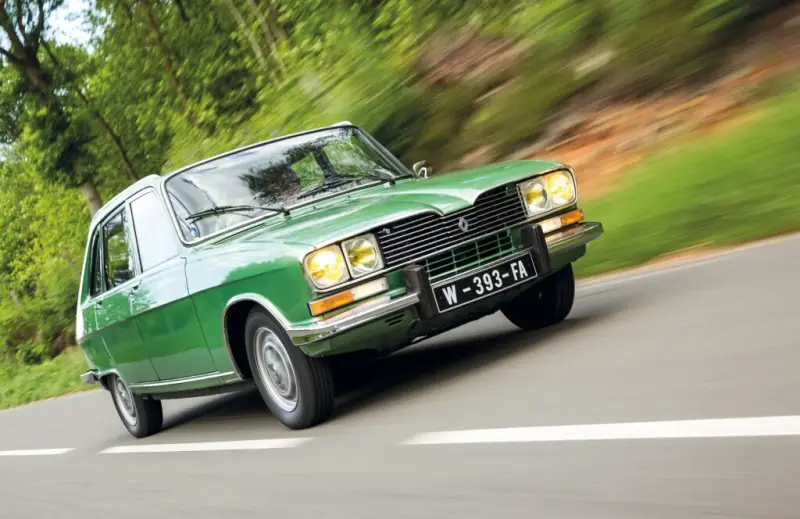
The later R16 TX keeps the family-friendly character but feels readier to cover ground. Its 1647cc engine is larger than the Super’s 1470cc unit, and the difference is clear from the driver’s seat: the TX responds more promptly to the throttle and is keener to climb through the rev range. The Super is willing and torquey, but the TX brings a more alert feel.
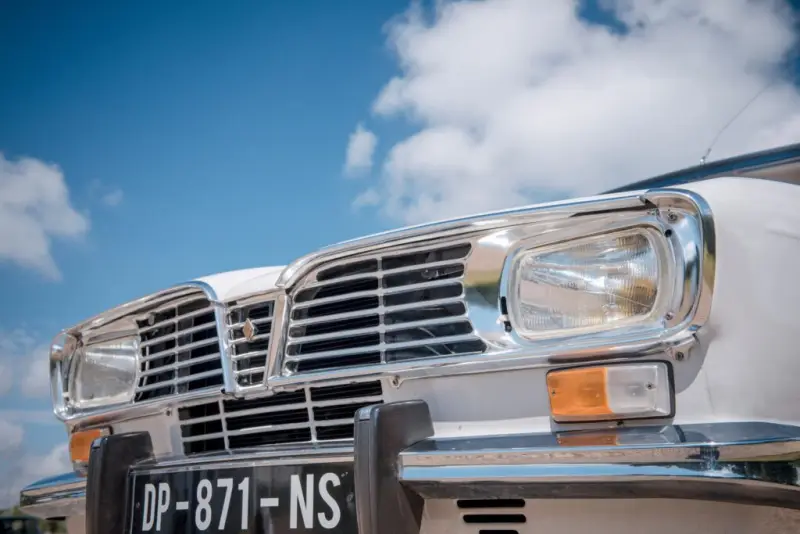
The TX also brought square quad headlamps, revised rectangular rear lights and a spoiler above the rear window. Inside, thick velour replaced the earlier leatherette trim. Equipment included a five-speed gearbox, electric front windows and central locking. That last feature had practical appeal for drivers juggling children or shopping, while the other additions helped move the R16 from its 1966 European Car of the Year role towards the expectations of 1970s executives.
Despite the extra performance, the TX remains comfortable over rutted roads. Its suspension feels more firmly damped than the Super’s, giving the body a supple, controlled quality rather than a simply soft ride. The gearbox still uses a column-mounted shift, but its action is lighter and tidier, and the extra ratio doesn’t interrupt the cabin’s calm.
Flexible space, carefully engineered
The R16’s usefulness came from more than its rear hatch. Six seating arrangements could be made by sliding, folding, flipping or removing the rear bench. The cabin could be set up for carrying bulky goods or arranged around a carrycot. That flexibility suited a car expected to serve different roles through the week and on weekend journeys.
Renault had to engineer the body around the open space, too. A strengthened floorpan and single-piece bodysides helped maintain rigidity without a fixed boot partition. The pagoda-style roof dispensed with exterior drip rails, while channels in the roof panel guided airflow and added stiffness. Those details also helped cabin refinement.
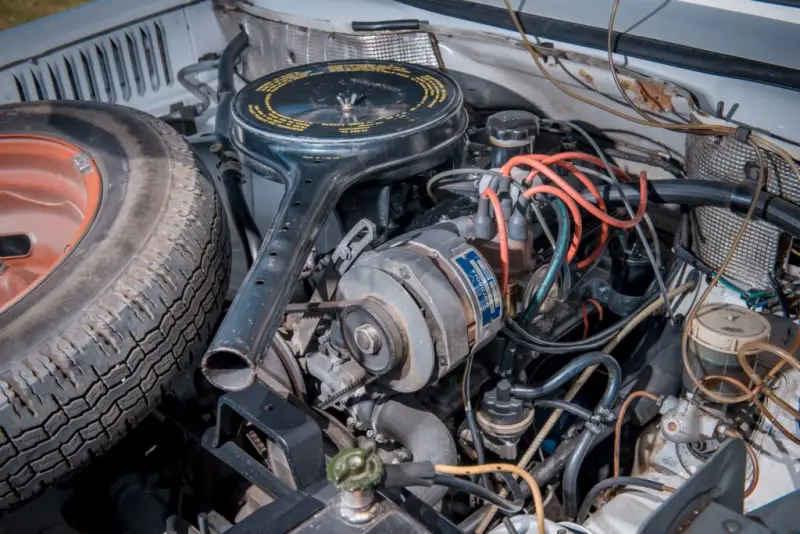
The packaging came with quirks. The rear torsion bars sat alongside one another, leaving the wheelbase 2.76 inches longer on one side. The gearbox was positioned ahead of the longitudinally mounted engine; that arrangement helped reduce understeer, but made servicing difficult. Under the bonnet, the spare wheel sat above the 1470cc engine.
Over a 15-year production run, Renault built 1,845,959 R16s without changing the core structure. Juchet’s design managed to look spacious without appearing like a straightforward utility vehicle; Renault even sold it in the United States as the “sedanwagon.” Its mix of hatchback access and family-car comfort later found echoes in other European models. The Simca 1100 arrived in 1967 with a similar broad idea in a smaller, less refined package, while Britain’s 1969 Austin Maxi offered another take on a practical hatchback. The Volkswagen Golf is often seen as a major beneficiary of the path the Renault helped establish.
1966 Renault 16 Super specifications
| Engine | 1470cc four-cylinder, overhead valve, single Solex carburettor |
| Power | 59bhp at 5000rpm |
| Torque | 78lb ft at 2800rpm |
| Transmission | Four-speed manual, front-wheel drive |
| Steering | Rack and pinion |
| Suspension | Front: double wishbones, longitudinal torsion bars, telescopic dampers and anti-roll bar. Rear: trailing arms, transverse torsion bars, telescopic dampers and anti-roll bar |
| Brakes | Front discs, rear drums |
| Weight | 980kg |
| Performance | Top speed: 91mph. 0–62mph: 16.9 seconds |
The R16’s lasting appeal rests on a simple proposition: a family car can make room for people and their changing needs while still treating comfort as a central part of the drive. The Super delivers that idea at an easy pace; the TX adds sharper responses and useful equipment without losing the supple ride.