Tesla Cybertruck Cancellation Leaves Owners Facing Parts, Pricing and Product Questions
Electric Vehicles [email protected] (Collin Woodard) 773 reads
Cybertruck owners are weighing Tesla’s planned 2027 production end, a $112,000 remaining model and uncertainty over future parts and service.
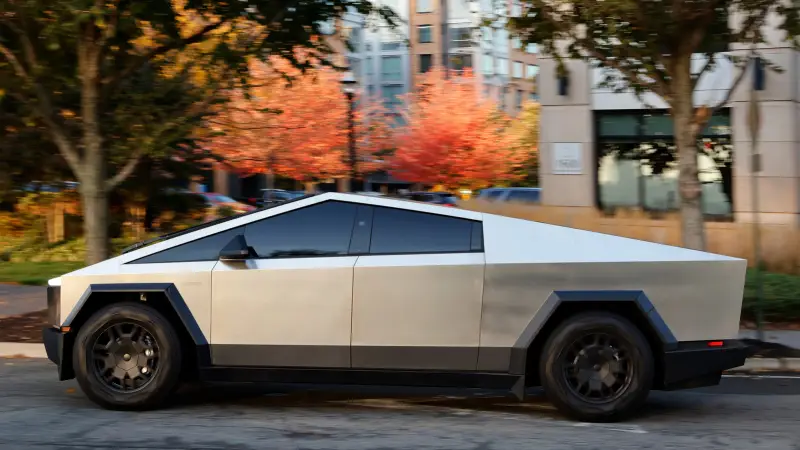
Tesla’s planned end to Cybertruck production has left owners asking what happens to their trucks after the final one leaves the line. Their concerns go beyond losing the chance to buy a new model: they include replacement parts, service, aftermarket upgrades and whether a second truck still makes sense. Tesla is reportedly set to keep building the pickup through some point in 2027, but the version currently available costs $112,000.
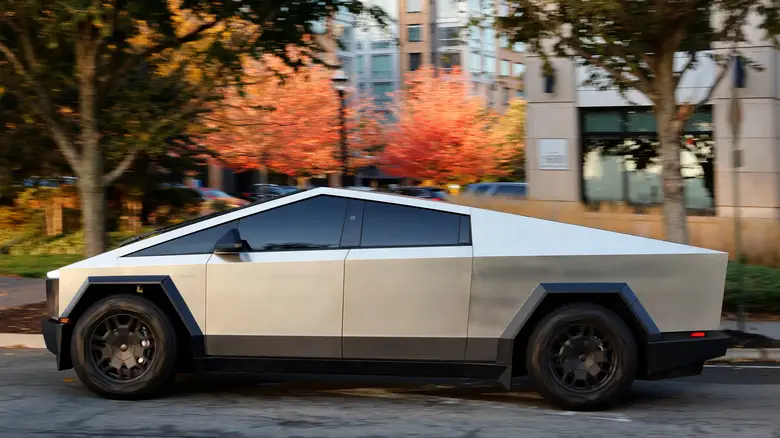
That combination makes the announcement more than a product-line change for people who have built their routines and communities around the angular electric pickup. Some owners had hoped to buy another Cybertruck later, or to replace one after a serious accident. With production winding down, they’re now trying to work out how long parts and support will remain accessible. The source of those worries is practical, even if the reactions have been emotional.
Owners worry about parts and future support
A post in a Cybertruck owners’ forum described the news as “Worst possible news,” citing the loss of future buying options, aftermarket modifications, service and parts. Those needs can matter especially to owners whose trucks require repairs or customization. A discontinued vehicle can still be supported after production ends, but the forum post reflects uncertainty about what owners should expect in this case.
Another prominent owner, who posts as The Cybertruck Guy, called the announcement “Devastating” and questioned whether Tesla had done enough to make the truck a success. The post asked why the company hadn’t cut prices or advertised more, and raised the possibility of a range extender. It also questioned what would become of the vision for autonomous cargo transport.
Those questions point to a split in what owners wanted from the Cybertruck. Some were invested in the pickup as a distinctive electric truck they could buy, modify and keep on the road. Others were drawn to what Tesla had said the vehicle or its technology might eventually become. A production end brings both sets of expectations into focus, while leaving practical questions about long-term ownership unresolved.
A second Cybertruck became harder to justify
Michael Goldman, a Palm Springs contractor and member of the Cybertruck Owners Only group, told Wired that other members had contacted him to ask what he planned to do. The group has more than 82,000 members. Goldman said he had considered buying a second truck so he would have another if his first one failed.
He had a reservation for a Cyberbeast and was close to placing an order. But, he told Wired, the price rose by “like another $8,000 or something” about two days before he planned to buy. He took that as a reason to hold off. That timing turned a speculative backup purchase into a concrete example of the uncertainty facing buyers: even before production ends, the price can shift enough to change the decision.
According to Car and Driver, the only Cybertruck version buyers can now order costs $112,000. The truck is reportedly expected to remain in production into 2027, though the source doesn’t give a specific end date. For prospective buyers, the reduced lineup and high remaining price narrow the choices. For existing owners, that price may also shape how appealing a replacement would be.
The product shift is part of a wider change at Tesla
Troy Meekhof, who runs The Cybertruck Guy account, told Wired he thinks ending the truck is the wrong choice for Tesla’s brand. His concern, he said, is less about dropping a product with weak sales than about what the decision represents: a faster turn toward autonomous vehicles. Meekhof argued that customers in the United States aren’t ready to embrace autonomous vehicles at scale.
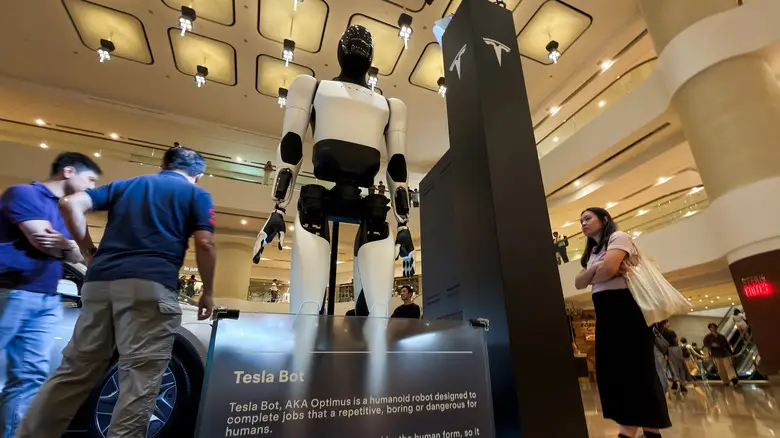
That view reflects a broader tension among Tesla supporters. Some want the company to keep making customer vehicles they can drive themselves. Others see autonomy and robotics as the direction Tesla is pursuing. The Cybertruck’s cancellation makes that shift harder to treat as a distant possibility. Owners who expected the company to keep investing in its pickup now have to decide whether its other vehicles meet their needs.
Drew Million, another member of Cybertruck Owners Only, told Wired he had “lost a lot of love for Tesla” and described the company’s consumer lineup as “very stale.” He also called the Cybertruck a flagship and questioned what would fill that role after it leaves. His comments underline the risk for a company with a loyal customer base: ending a product can frustrate owners who see it as central to the brand, even when sales are weak.
Other Tesla supporters have raised a related concern about the company’s push toward vehicles designed to operate without a driver. One owner on X questioned the prospect of giving up a steering wheel, pedals and personal control of a vehicle, and argued that the Cybercab wouldn’t suit an entire family. The post framed the debate as a choice between autonomous transport and the freedom of owning a conventional customer car.
For Cybertruck owners, the immediate questions are more specific: how long parts and service will be available, whether aftermarket suppliers will keep supporting the truck, and what a $112,000 remaining model offers as production approaches its reported end. Tesla’s next steps on vehicle support and its broader product plans will determine whether this feels like a difficult buying window or the start of a longer ownership challenge.